Product description
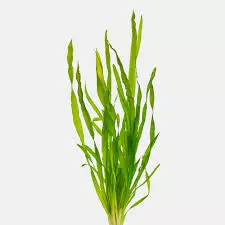
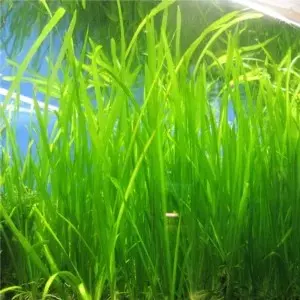
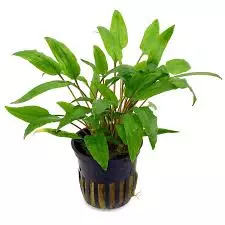
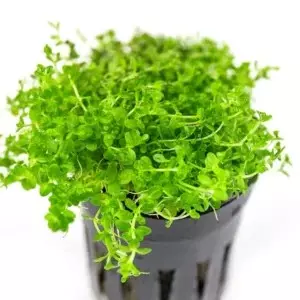
Brazilian pennywort is a popular and relatively easy-to-care-for aquatic plant that can add a beautiful touch to your freshwater aquarium or paludarium.
Here's a breakdown of its care requirements:
1. Planting
Brazilian pennywort is adaptable and can be either planted in the substrate or allowed to float freely in the water.
When planting, place healthy stems directly into the substrate, about 1-1.5 inches deep.
Be gentle, as the roots are fine and delicate.
If floating, simply place the stems on the surface of the water.
For paludariums, the plant thrives in both submerged and emersed conditions.
2. Lighting
Brazilian pennywort prefers moderate to high lighting for robust growth and vibrant color.
However, it can tolerate lower light conditions, but growth may be slower and less dense.
Aim for 8-12 hours of light daily, using a quality LED light or specialized plant bulbs for optimal growth.
3. Water parameters
Temperature: 68-82°F (20-28°C)
pH: 6.0-7.8
Hardness: Adaptable to a wide range, but grows best in freshwaters with a hardness between 4-18 GH.
Water Flow: Gentle surface agitation is ideal when floating.
4. Substrate and nutrients
While not strictly necessary as it can absorb nutrients from the water column, a nutrient-rich substrate or regular liquid fertilizer dosing can promote faster and bushier growth.
Brazilian pennywort mainly feeds through its leaves, so liquid fertilizers are recommended over root tabs.
Pay attention to signs of nutrient deficiencies, such as yellowing leaves (iron deficiency) or crooked roots (phosphorus deficiency), and supplement as needed.
Brazilian pennywort can also help reduce nitrate levels in the tank.
5. CO2 supplementation
CO2 injection is not strictly required, but it can significantly boost growth, particularly under higher light conditions.
6. Pruning and propagation
Brazilian pennywort grows rapidly and may need regular trimming to prevent it from overrunning the tank and shading out other plants.
Trim stems using sharp aquascaping scissors to maintain a desired shape and density.
Propagating Brazilian pennywort is easy: simply cut healthy stems or lateral shoots and replant them in the substrate or float them on the surface.
The cuttings will typically sprout roots within a week or two.
7. Compatibility
Brazilian pennywort is compatible with most fish species, but it's best to avoid large digging fish like cichlids or goldfish, as they can uproot and damage the plant.
It provides excellent cover and hiding spots for shy fish and fry.
8. Potential problems
Melting: New plants transitioning from emersed to submerged growth may experience some leaf loss initially, which is temporary.
Yellowing leaves: Often indicates iron deficiency, requiring chelated iron supplementation.
Sparse growth: Can be caused by low lighting or insufficient nutrients.
Overgrowth: Requires regular pruning to manage growth and maintain a balanced aquascape.
Shipping & policies
Estimated shipping date: To be calculated
Ships and local pickup from: Clio, MI
Shipping fee: $10
Sales tax:
. We're required by law to collect sales tax and applicable fees for certain tax authorities.
. Sales taxes vary depending on state.
Returns and exchanges:
. Returns and exchanges are not accepted.

No bio available

This shop is on vacation
This seller is currently away and not accepting new orders at the moment.
Product description
Brazilian pennywort is a popular and relatively easy-to-care-for aquatic plant that can add a beautiful touch to your freshwater aquarium or paludarium.
Here's a breakdown of its care requirements:
1. Planting
Brazilian pennywort is adaptable and can be either planted in the substrate or allowed to float freely in the water.
When planting, place healthy stems directly into the substrate, about 1-1.5 inches deep.
Be gentle, as the roots are fine and delicate.
If floating, simply place the stems on the surface of the water.
For paludariums, the plant thrives in both submerged and emersed conditions.
2. Lighting
Brazilian pennywort prefers moderate to high lighting for robust growth and vibrant color.
However, it can tolerate lower light conditions, but growth may be slower and less dense.
Aim for 8-12 hours of light daily, using a quality LED light or specialized plant bulbs for optimal growth.
3. Water parameters
Temperature: 68-82°F (20-28°C)
pH: 6.0-7.8
Hardness: Adaptable to a wide range, but grows best in freshwaters with a hardness between 4-18 GH.
Water Flow: Gentle surface agitation is ideal when floating.
4. Substrate and nutrients
While not strictly necessary as it can absorb nutrients from the water column, a nutrient-rich substrate or regular liquid fertilizer dosing can promote faster and bushier growth.
Brazilian pennywort mainly feeds through its leaves, so liquid fertilizers are recommended over root tabs.
Pay attention to signs of nutrient deficiencies, such as yellowing leaves (iron deficiency) or crooked roots (phosphorus deficiency), and supplement as needed.
Brazilian pennywort can also help reduce nitrate levels in the tank.
5. CO2 supplementation
CO2 injection is not strictly required, but it can significantly boost growth, particularly under higher light conditions.
6. Pruning and propagation
Brazilian pennywort grows rapidly and may need regular trimming to prevent it from overrunning the tank and shading out other plants.
Trim stems using sharp aquascaping scissors to maintain a desired shape and density.
Propagating Brazilian pennywort is easy: simply cut healthy stems or lateral shoots and replant them in the substrate or float them on the surface.
The cuttings will typically sprout roots within a week or two.
7. Compatibility
Brazilian pennywort is compatible with most fish species, but it's best to avoid large digging fish like cichlids or goldfish, as they can uproot and damage the plant.
It provides excellent cover and hiding spots for shy fish and fry.
8. Potential problems
Melting: New plants transitioning from emersed to submerged growth may experience some leaf loss initially, which is temporary.
Yellowing leaves: Often indicates iron deficiency, requiring chelated iron supplementation.
Sparse growth: Can be caused by low lighting or insufficient nutrients.
Overgrowth: Requires regular pruning to manage growth and maintain a balanced aquascape.
Shipping & policies
Estimated shipping date: To be calculated
Ships and local pickup from: Clio, MI
Shipping fee: $10
Sales tax:
. We're required by law to collect sales tax and applicable fees for certain tax authorities.
. Sales taxes vary depending on state.
Returns and exchanges:
. Returns and exchanges are not accepted.
Accepted payment methods






Shop Reviews
Quick shipper
•
2
Great packaging
•
2
Item as described
•
2
Communication
•
1
Understanding
•
1
Fair pricing
•
1
Friendly
•
1
More from Tikiaquatics
Similar products
Have questions?
Download the app to message sellers about price, availability, shipping, or anything else you need.

Rare finds, all in one place
Shop for rare plants, reptiles, collectibles, gems and handmade goods you won’t find anywhere else.

Secure checkout, always
Your payment is protected and only released to sellers once your order arrives.

Watch. Chat. Buy.
Tune into live shows, chat with sellers, join auctions, purges, giveaways and shop instantly.

Ship it your way
Ask the seller for bundled shipping, delivery upgrades, custom shipping, or local pickup.