Product description
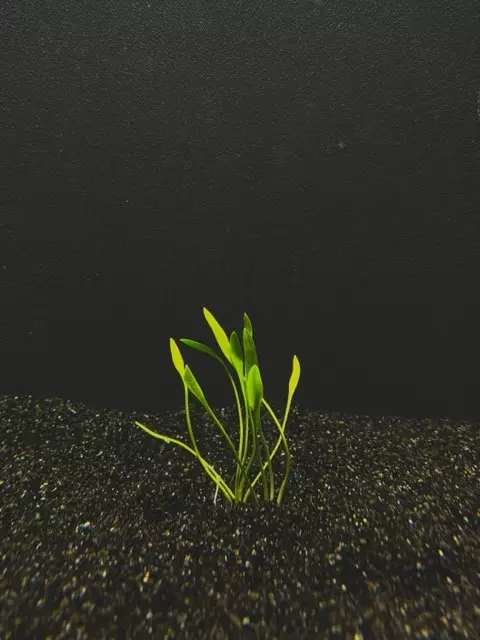
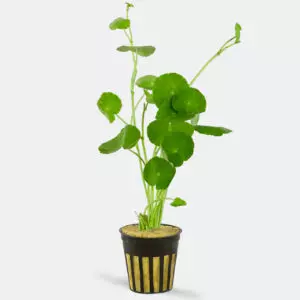
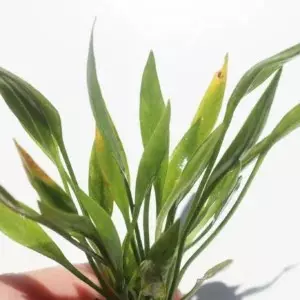
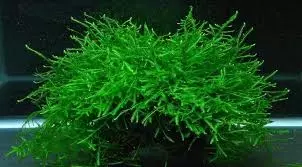
Dwarf Baby Tears 2" pot
Dwarf Baby Tears care
Dwarf Baby Tears (Hemianthus callitrichoides) care guide
Dwarf Baby Tears (HC Cuba) are a beautiful and popular carpeting plant in planted aquariums, but they require a certain level of dedication and specific care to flourish.
Here's what you need to provide for a thriving Dwarf Baby Tears carpet:
1. Lighting
Medium to High Intensity: Dwarf Baby Tears are photophilic and need bright, direct light to grow horizontally and compact, forming a dense carpet.
Duration: Aim for 10-12 hours of direct light per day.
Consider PAR: 40-50 PAR of LED lighting is a healthy target Note that the depth of the tank impacts the light intensity reaching the plants.
Low Light Effects: Insufficient light will cause the stems to stretch upwards and become sparse, instead of carpeting.
2. CO2 injection
Essential for carpeting: While they can technically survive without it, CO2 injection is highly recommended for Dwarf Baby Tears to thrive and form a lush, dense carpet.
Dosage: Aim for a steady injection of 10-30 mgl of CO2.
CO2 Deficiency: Stems growing upwards and smaller leaves can be signs of CO2 deficiency.
3. Substrate
Nutrient-Rich: Dwarf Baby Tears have short, delicate roots and benefit greatly from a fine-grained, nutrient-rich substrate like ADA Amazonia aqua soil or Aqua Soil Powder.
Depth: A substrate depth of 1.5-2 inches is ideal for the roots to take hold.
Planting: Plant the stems deep enough to be anchored, but ensure the top part of the plant is not smothered by the substrate.
Anchoring: If the plants have trouble staying rooted, gently wedge them back into the substrate or consider using fine gravel or aquasoil to improve anchorage.
4. Water parameters
Temperature: Maintain a stable temperature between 68-75°F (20-24°C).
pH: Optimal pH range is between 6.0 and 7.5.
Hardness: Appreciates a water hardness level between 1 and 10 dGH (soft to moderately hard water).
Consistency: Avoid sudden changes in water parameters, as this can cause Dwarf Baby Tears to "melt" (lose color and become translucent).
Regular Maintenance: Perform regular water changes and monitor water parameters with test kits.
5. Fertilization
Liquid Fertilizers: While the substrate provides some nutrients, liquid fertilizers may be necessary, especially if you notice leaves becoming yellow or losing density.
Iron Supplements: Dwarf Baby Tears are susceptible to iron deficiencies, which can cause yellow shoots.
6. Trimming
Regular Trimming: Essential for maintaining a dense carpet and preventing the lower parts from dying off due to lack of light.
How to Trim: Use sharp aquascaping scissors to trim the top parts of the plant, leaving a few centimeters above the substrate.
Avoid Up-rooting: Be gentle during trimming to avoid disturbing the delicate root system.
7. Propagation
Runners: Dwarf Baby Tears naturally spread through runners, horizontal stems that send out new roots and shoots.
Stem Cuttings: You can also propagate by taking stem cuttings from mature plants and replanting them in the substrate.
8. Aquarium mates and compatibility
Peaceful Fish: Platies, tetras, danios, and rasboras are generally compatible.
Freshwater Shrimp: Shrimp can be beneficial as they consume biofilm and algae without harming the plants.
Avoid: African cichlids, goldfish, barbs, rabbit snails, apple snails, crayfish, and crabs can be harmful to Dwarf Baby Tears.
9. Common problems
Melting: A common issue during the transition from emersed to submerged growth or due to sudden changes in water parameters.
YellowingWhite Coloration: Can be caused by iron deficiency or insufficient light reaching the base of the plant.
Floating Plants: May occur if the roots aren't properly anchored or the substrate is too coarse.
Algae Growth: Dwarf Baby Tears are slow growers, and high light and nutrients can promote algae growth, potentially outcompeting the plant.
Shipping & policies
Estimated shipping date: To be calculated
Ships and local pickup from: Clio, MI
Shipping fee: $10
Sales tax:
. We're required by law to collect sales tax and applicable fees for certain tax authorities.
. Sales taxes vary depending on state.
Returns and exchanges:
. Returns and exchanges are not accepted.

No bio available

This shop is on vacation
This seller is currently away and not accepting new orders at the moment.
Product description
Dwarf Baby Tears 2" pot
Dwarf Baby Tears care
Dwarf Baby Tears (Hemianthus callitrichoides) care guide
Dwarf Baby Tears (HC Cuba) are a beautiful and popular carpeting plant in planted aquariums, but they require a certain level of dedication and specific care to flourish.
Here's what you need to provide for a thriving Dwarf Baby Tears carpet:
1. Lighting
Medium to High Intensity: Dwarf Baby Tears are photophilic and need bright, direct light to grow horizontally and compact, forming a dense carpet.
Duration: Aim for 10-12 hours of direct light per day.
Consider PAR: 40-50 PAR of LED lighting is a healthy target Note that the depth of the tank impacts the light intensity reaching the plants.
Low Light Effects: Insufficient light will cause the stems to stretch upwards and become sparse, instead of carpeting.
2. CO2 injection
Essential for carpeting: While they can technically survive without it, CO2 injection is highly recommended for Dwarf Baby Tears to thrive and form a lush, dense carpet.
Dosage: Aim for a steady injection of 10-30 mgl of CO2.
CO2 Deficiency: Stems growing upwards and smaller leaves can be signs of CO2 deficiency.
3. Substrate
Nutrient-Rich: Dwarf Baby Tears have short, delicate roots and benefit greatly from a fine-grained, nutrient-rich substrate like ADA Amazonia aqua soil or Aqua Soil Powder.
Depth: A substrate depth of 1.5-2 inches is ideal for the roots to take hold.
Planting: Plant the stems deep enough to be anchored, but ensure the top part of the plant is not smothered by the substrate.
Anchoring: If the plants have trouble staying rooted, gently wedge them back into the substrate or consider using fine gravel or aquasoil to improve anchorage.
4. Water parameters
Temperature: Maintain a stable temperature between 68-75°F (20-24°C).
pH: Optimal pH range is between 6.0 and 7.5.
Hardness: Appreciates a water hardness level between 1 and 10 dGH (soft to moderately hard water).
Consistency: Avoid sudden changes in water parameters, as this can cause Dwarf Baby Tears to "melt" (lose color and become translucent).
Regular Maintenance: Perform regular water changes and monitor water parameters with test kits.
5. Fertilization
Liquid Fertilizers: While the substrate provides some nutrients, liquid fertilizers may be necessary, especially if you notice leaves becoming yellow or losing density.
Iron Supplements: Dwarf Baby Tears are susceptible to iron deficiencies, which can cause yellow shoots.
6. Trimming
Regular Trimming: Essential for maintaining a dense carpet and preventing the lower parts from dying off due to lack of light.
How to Trim: Use sharp aquascaping scissors to trim the top parts of the plant, leaving a few centimeters above the substrate.
Avoid Up-rooting: Be gentle during trimming to avoid disturbing the delicate root system.
7. Propagation
Runners: Dwarf Baby Tears naturally spread through runners, horizontal stems that send out new roots and shoots.
Stem Cuttings: You can also propagate by taking stem cuttings from mature plants and replanting them in the substrate.
8. Aquarium mates and compatibility
Peaceful Fish: Platies, tetras, danios, and rasboras are generally compatible.
Freshwater Shrimp: Shrimp can be beneficial as they consume biofilm and algae without harming the plants.
Avoid: African cichlids, goldfish, barbs, rabbit snails, apple snails, crayfish, and crabs can be harmful to Dwarf Baby Tears.
9. Common problems
Melting: A common issue during the transition from emersed to submerged growth or due to sudden changes in water parameters.
YellowingWhite Coloration: Can be caused by iron deficiency or insufficient light reaching the base of the plant.
Floating Plants: May occur if the roots aren't properly anchored or the substrate is too coarse.
Algae Growth: Dwarf Baby Tears are slow growers, and high light and nutrients can promote algae growth, potentially outcompeting the plant.
Shipping & policies
Estimated shipping date: To be calculated
Ships and local pickup from: Clio, MI
Shipping fee: $10
Sales tax:
. We're required by law to collect sales tax and applicable fees for certain tax authorities.
. Sales taxes vary depending on state.
Returns and exchanges:
. Returns and exchanges are not accepted.
Accepted payment methods






Shop Reviews
Quick shipper
•
2
Great packaging
•
2
Item as described
•
2
Communication
•
1
Understanding
•
1
Fair pricing
•
1
Friendly
•
1
More from Tikiaquatics
Similar products
Have questions?
Download the app to message sellers about price, availability, shipping, or anything else you need.

Rare finds, all in one place
Shop for rare plants, reptiles, collectibles, gems and handmade goods you won’t find anywhere else.

Secure checkout, always
Your payment is protected and only released to sellers once your order arrives.

Watch. Chat. Buy.
Tune into live shows, chat with sellers, join auctions, purges, giveaways and shop instantly.

Ship it your way
Ask the seller for bundled shipping, delivery upgrades, custom shipping, or local pickup.