Product description
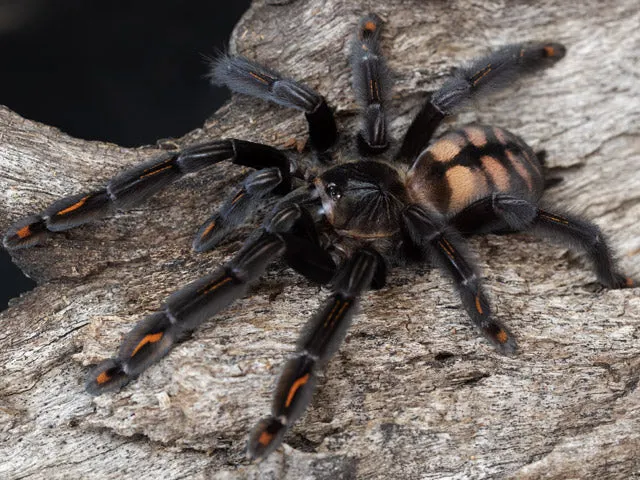
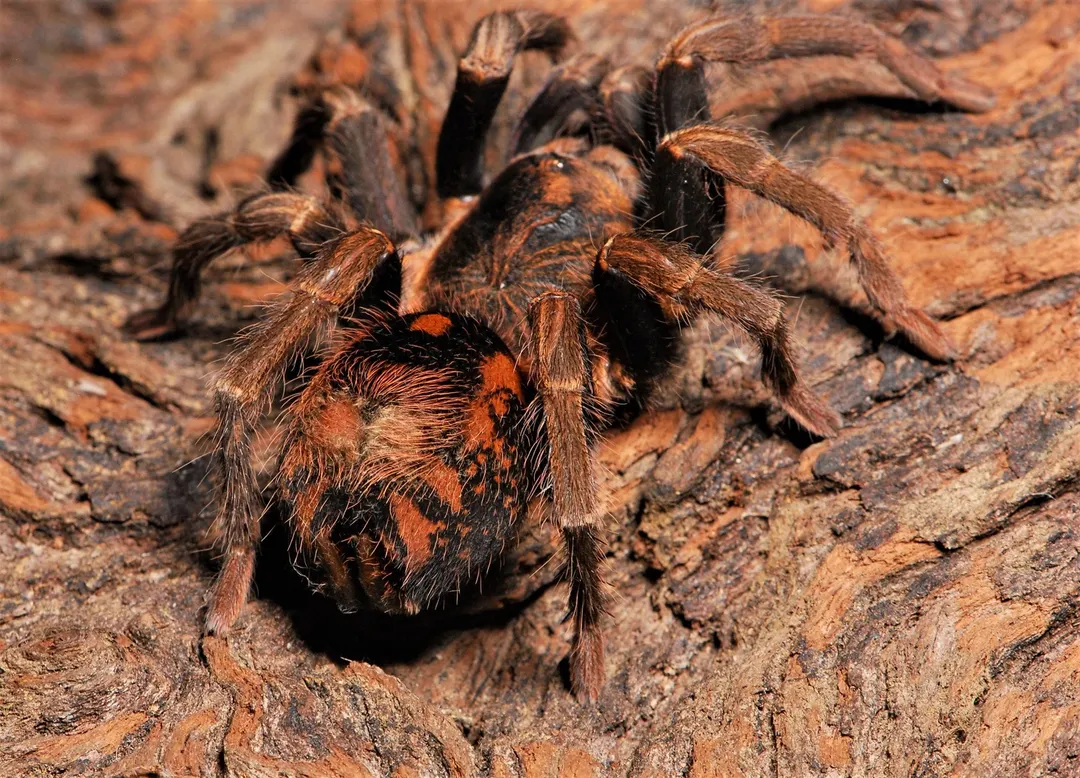
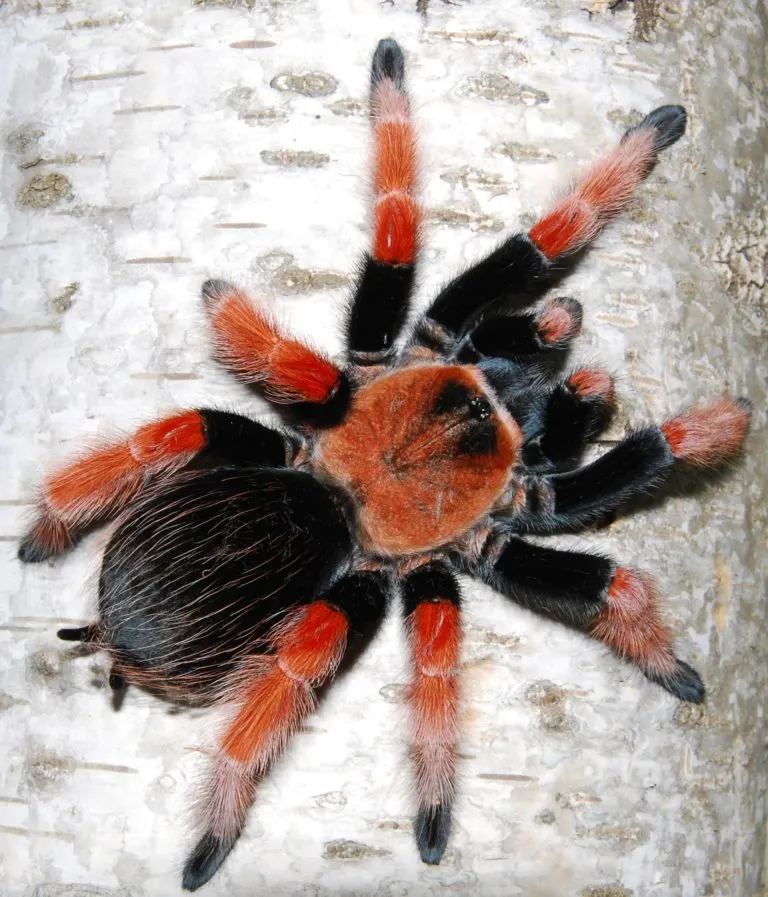
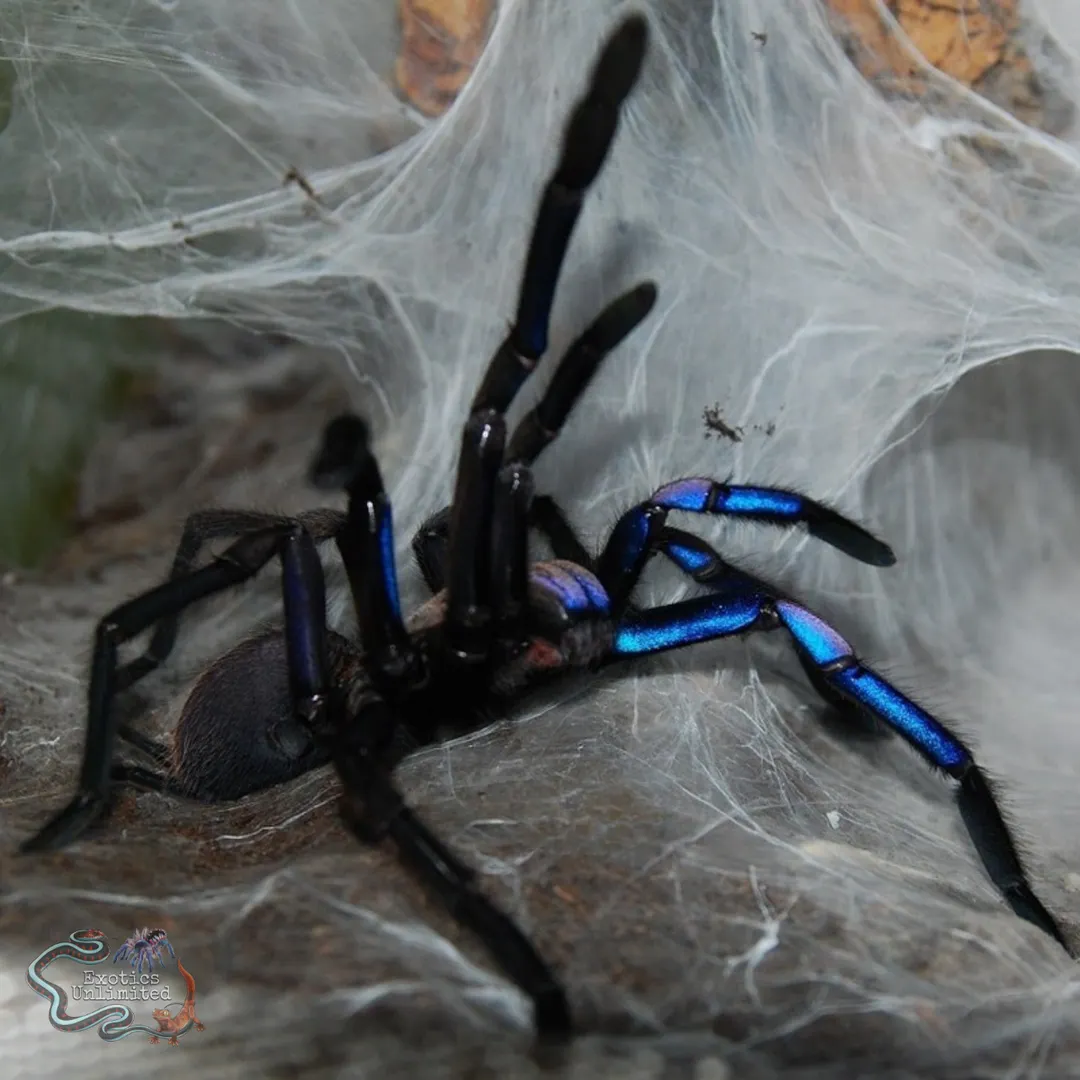
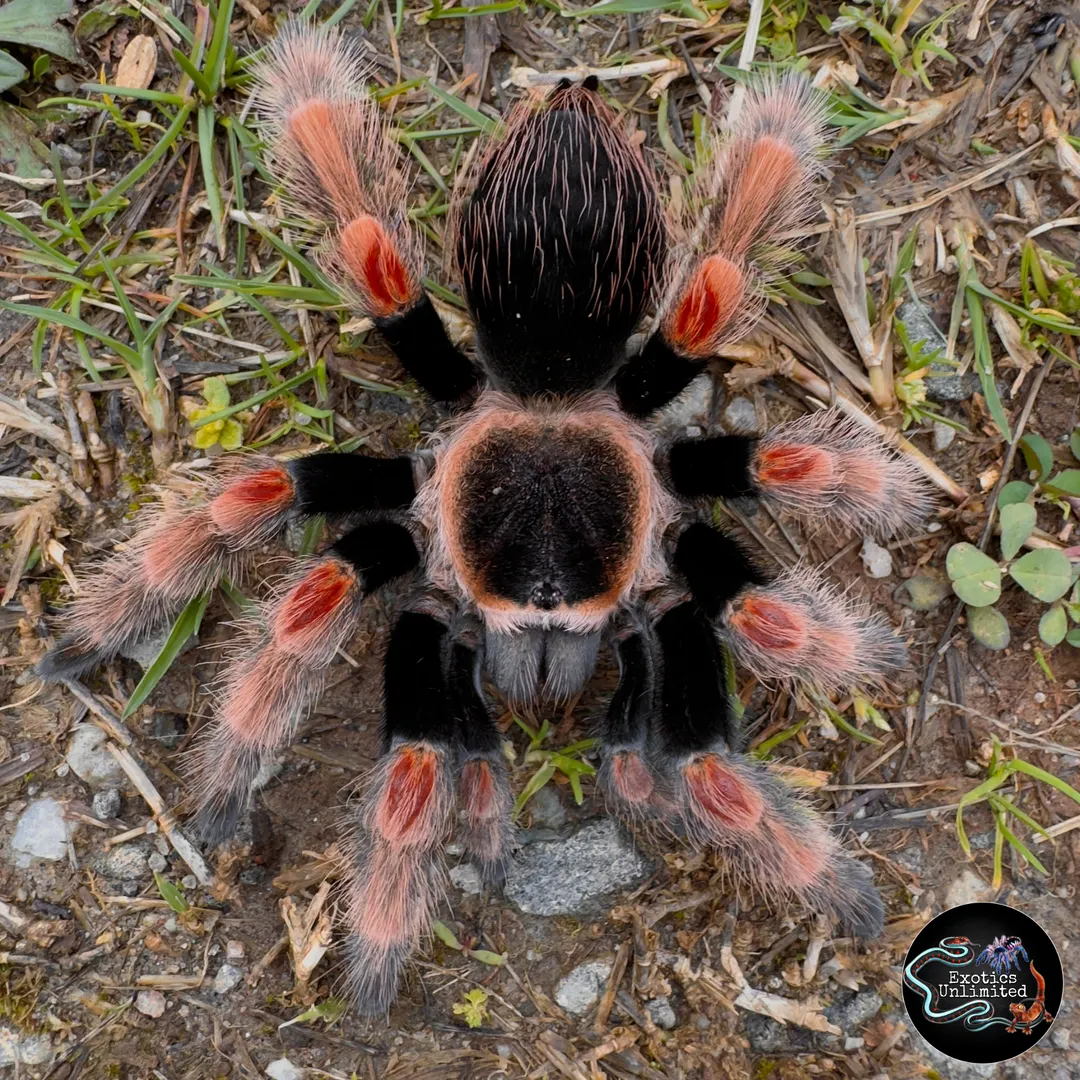
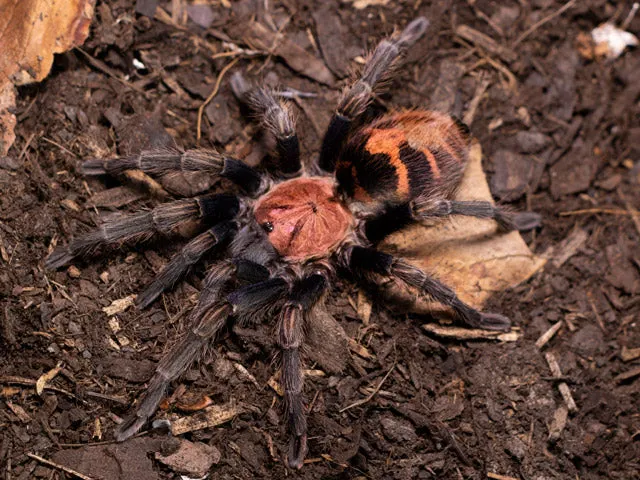
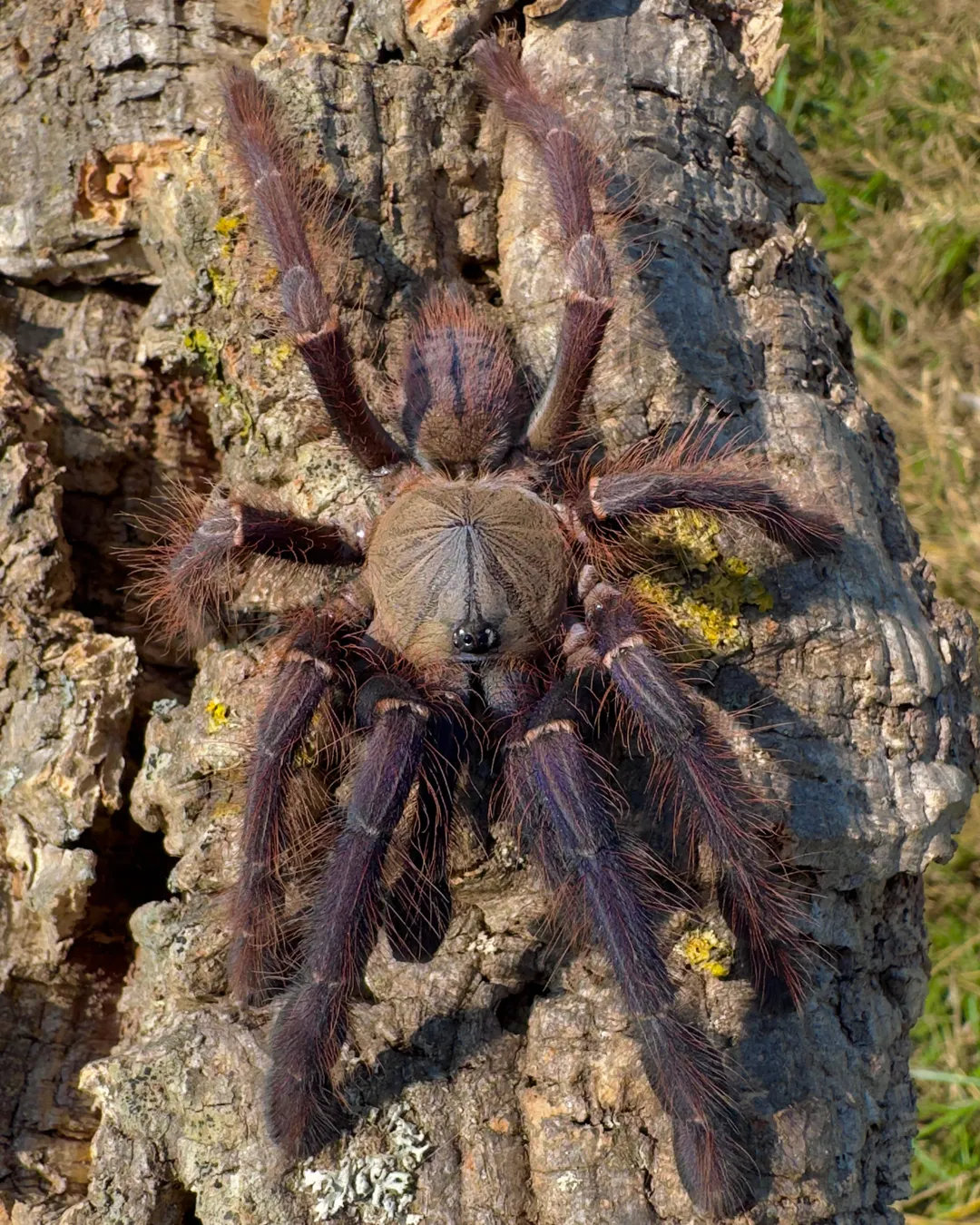
Xenesthis sp. 'Blue' (Powder Blue & Orange Bird Eater Tarantula) Arguably the most beautiful of the genus, Xenesthis sp. 'Blue' is a giant species for those who love size paired with real color. Both males and females sport blue femurs with an orange-pink carapace (head), a look that sets this species apart from most of the genus, which tends to run more black and pink. Grab this striking new world tarantula for sale if you want serious size and standout color in one package. Why do hobbyists keep Xenesthis sp. 'Blue'? Stunning Coloration: Blue femurs paired with an orange-pink carapace in both sexes, a color combination unlike most of the rest of the genus. Large Size: A true giant within the "bird eater" category, with serious size and presence at maturity. Great Feeding Response: A powerful, active feeder known for taking down large prey in the wild. How should Xenesthis sp. 'Blue' be kept? Adult Size: Reaches about 8 inches at full leg span. Enclosure: This species needs real room to roam, so plan for an enclosure at least twice the leg span in width, depth, and height, with a roomy hide included. Temperature: Keep on the cooler side, between 68 to 78 degrees F. This genus can actually flick more urticating hairs when kept too warm, so don't overheat the enclosure. Humidity: Keep the substrate damp but not saturated, resembling the texture and color of coffee grounds. Organic coconut fiber works well since it resists mold and holds humidity steadily. Water: A shallow textured water dish works well, something they can grip when climbing out. Diet: Crickets, roaches, or mealworms sized to about a quarter of the leg span, matching the width of the carapace (head). Feed at least once a week. Temperament: Generally calm but can be skittish when frightened, more likely to retreat than stand its ground. Are there any additional notes or considerations? Impressive Hunters: Xenesthis species have been documented taking down surprisingly large prey in the wild, a testament to their strength and feeding drive. Keep It Cool: Unlike many tropical species, this genus does better without excess heat, which helps keep it calmer overall. Captive Bred: All Tarantulas are 100% captive bred.
Shipping & policies
Estimated shipping date: To be calculated
Ships from: Kernersville, NC
Shipping fee: $45
Sales tax:
. We're required by law to collect sales tax and applicable fees for certain tax authorities.
. Sales taxes vary depending on state.
Returns and exchanges:
. Returns and exchanges are not accepted.

Product description
Xenesthis sp. 'Blue' (Powder Blue & Orange Bird Eater Tarantula) Arguably the most beautiful of the genus, Xenesthis sp. 'Blue' is a giant species for those who love size paired with real color. Both males and females sport blue femurs with an orange-pink carapace (head), a look that sets this species apart from most of the genus, which tends to run more black and pink. Grab this striking new world tarantula for sale if you want serious size and standout color in one package. Why do hobbyists keep Xenesthis sp. 'Blue'? Stunning Coloration: Blue femurs paired with an orange-pink carapace in both sexes, a color combination unlike most of the rest of the genus. Large Size: A true giant within the "bird eater" category, with serious size and presence at maturity. Great Feeding Response: A powerful, active feeder known for taking down large prey in the wild. How should Xenesthis sp. 'Blue' be kept? Adult Size: Reaches about 8 inches at full leg span. Enclosure: This species needs real room to roam, so plan for an enclosure at least twice the leg span in width, depth, and height, with a roomy hide included. Temperature: Keep on the cooler side, between 68 to 78 degrees F. This genus can actually flick more urticating hairs when kept too warm, so don't overheat the enclosure. Humidity: Keep the substrate damp but not saturated, resembling the texture and color of coffee grounds. Organic coconut fiber works well since it resists mold and holds humidity steadily. Water: A shallow textured water dish works well, something they can grip when climbing out. Diet: Crickets, roaches, or mealworms sized to about a quarter of the leg span, matching the width of the carapace (head). Feed at least once a week. Temperament: Generally calm but can be skittish when frightened, more likely to retreat than stand its ground. Are there any additional notes or considerations? Impressive Hunters: Xenesthis species have been documented taking down surprisingly large prey in the wild, a testament to their strength and feeding drive. Keep It Cool: Unlike many tropical species, this genus does better without excess heat, which helps keep it calmer overall. Captive Bred: All Tarantulas are 100% captive bred.
Shipping & policies
Estimated shipping date: To be calculated
Ships from: Kernersville, NC
Shipping fee: $45
Sales tax:
. We're required by law to collect sales tax and applicable fees for certain tax authorities.
. Sales taxes vary depending on state.
Returns and exchanges:
. Returns and exchanges are not accepted.
Accepted payment methods






Shop Reviews
Communication
•
171
Quick shipper
•
176
Great packaging
•
223
Item as described
•
206
Understanding
•
116
Fair pricing
•
177
Friendly
•
171
On time meet-up
•
49
More from ExoticsUnlimited
Similar products
Have questions?
Download the app to message sellers about price, availability, shipping, or anything else you need.

Rare finds, all in one place
Shop for rare plants, reptiles, collectibles, gems and handmade goods you won’t find anywhere else.

Secure checkout, always
Your payment is protected and only released to sellers once your order arrives.

Watch. Chat. Buy.
Tune into live shows, chat with sellers, join auctions, purges, giveaways and shop instantly.

Ship it your way
Ask the seller for bundled shipping, delivery upgrades, custom shipping, or local pickup.