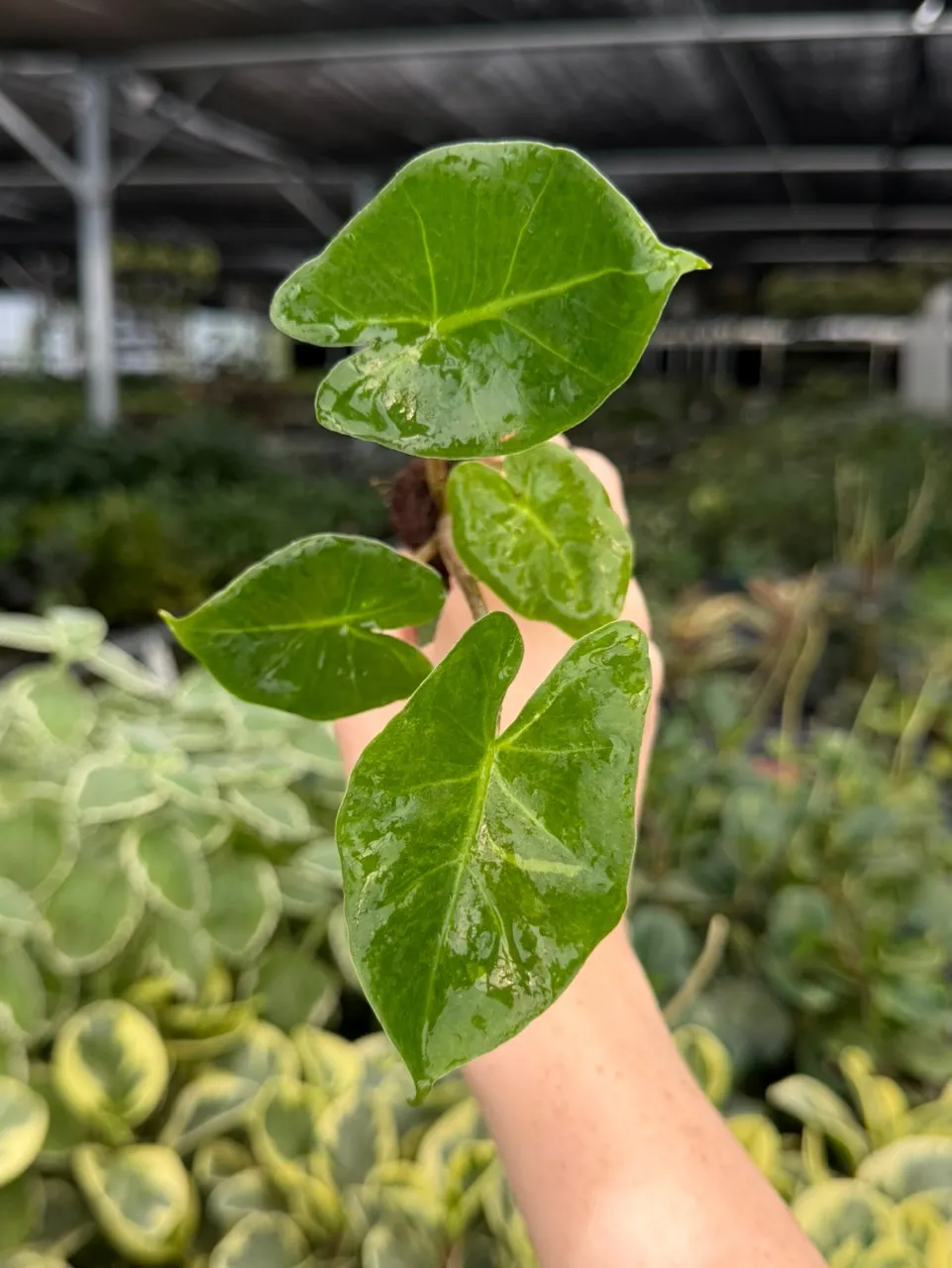
Product description
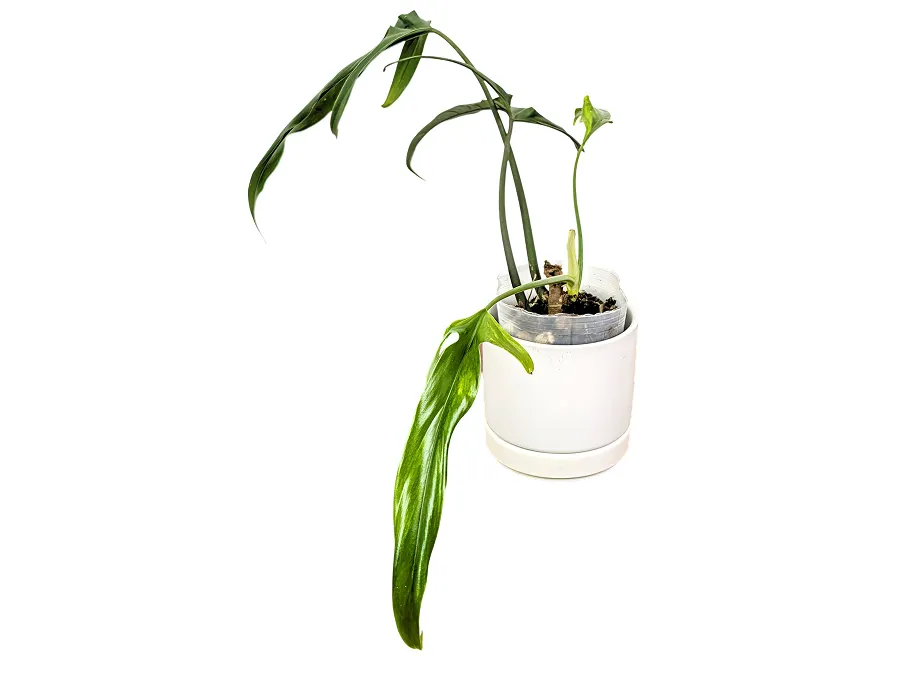
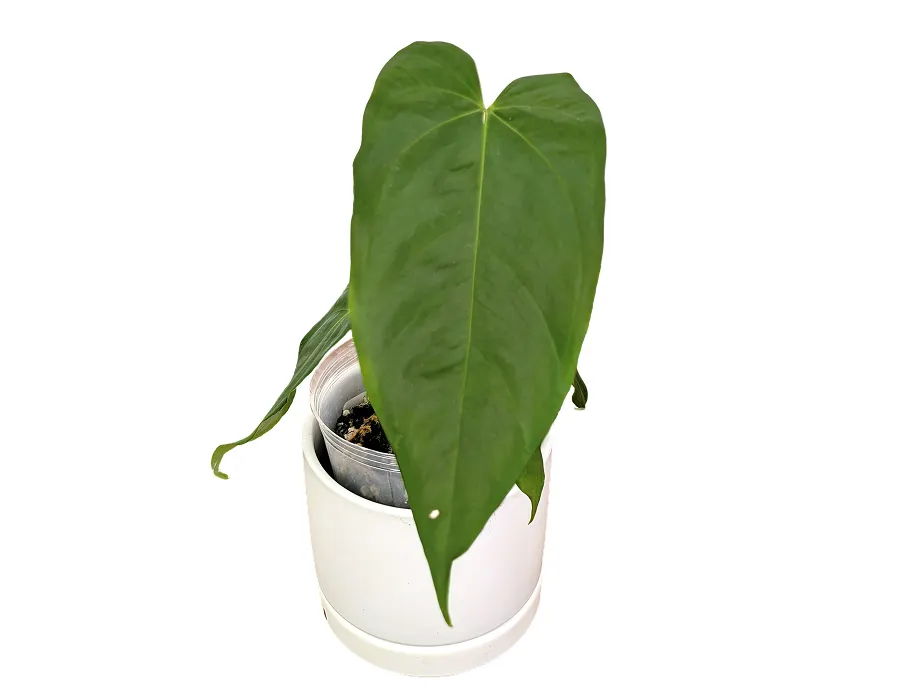
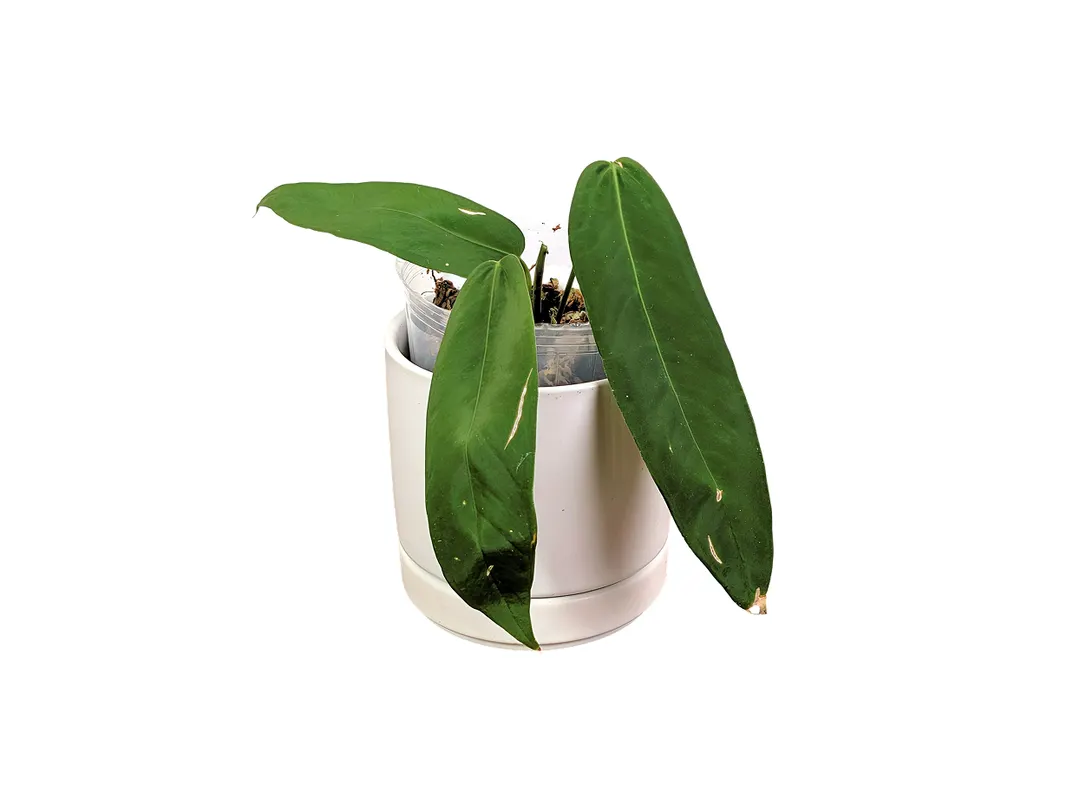
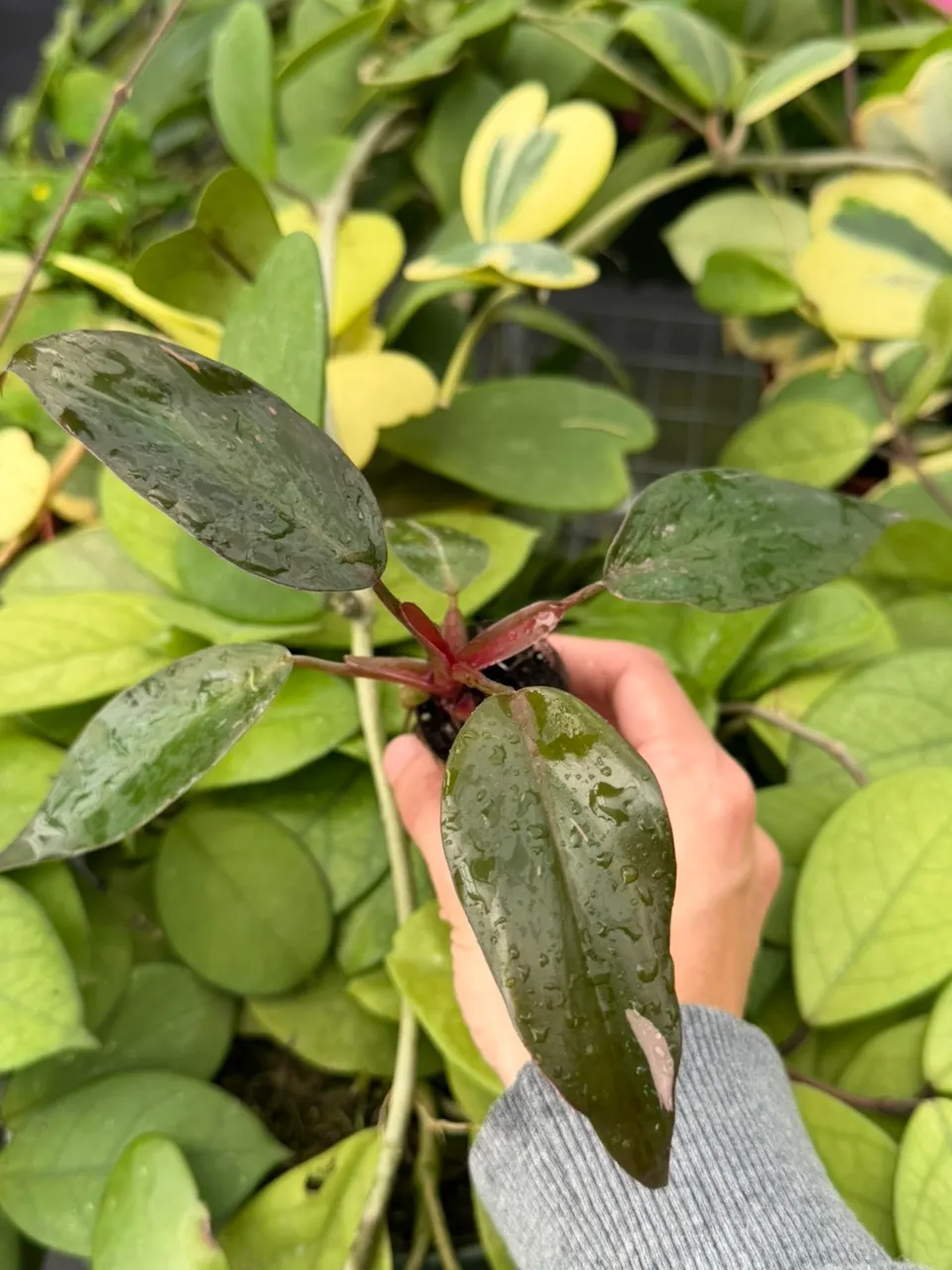
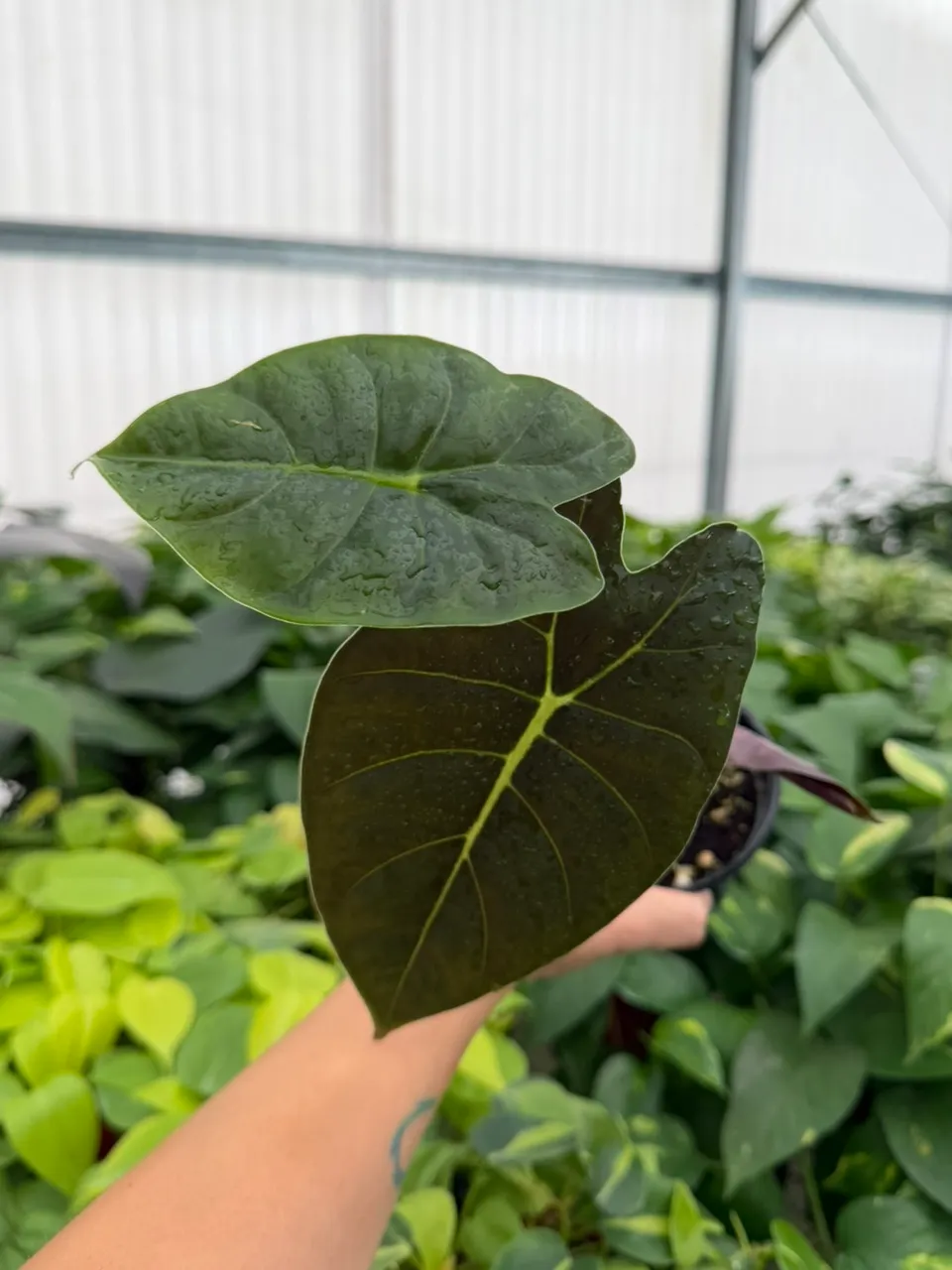
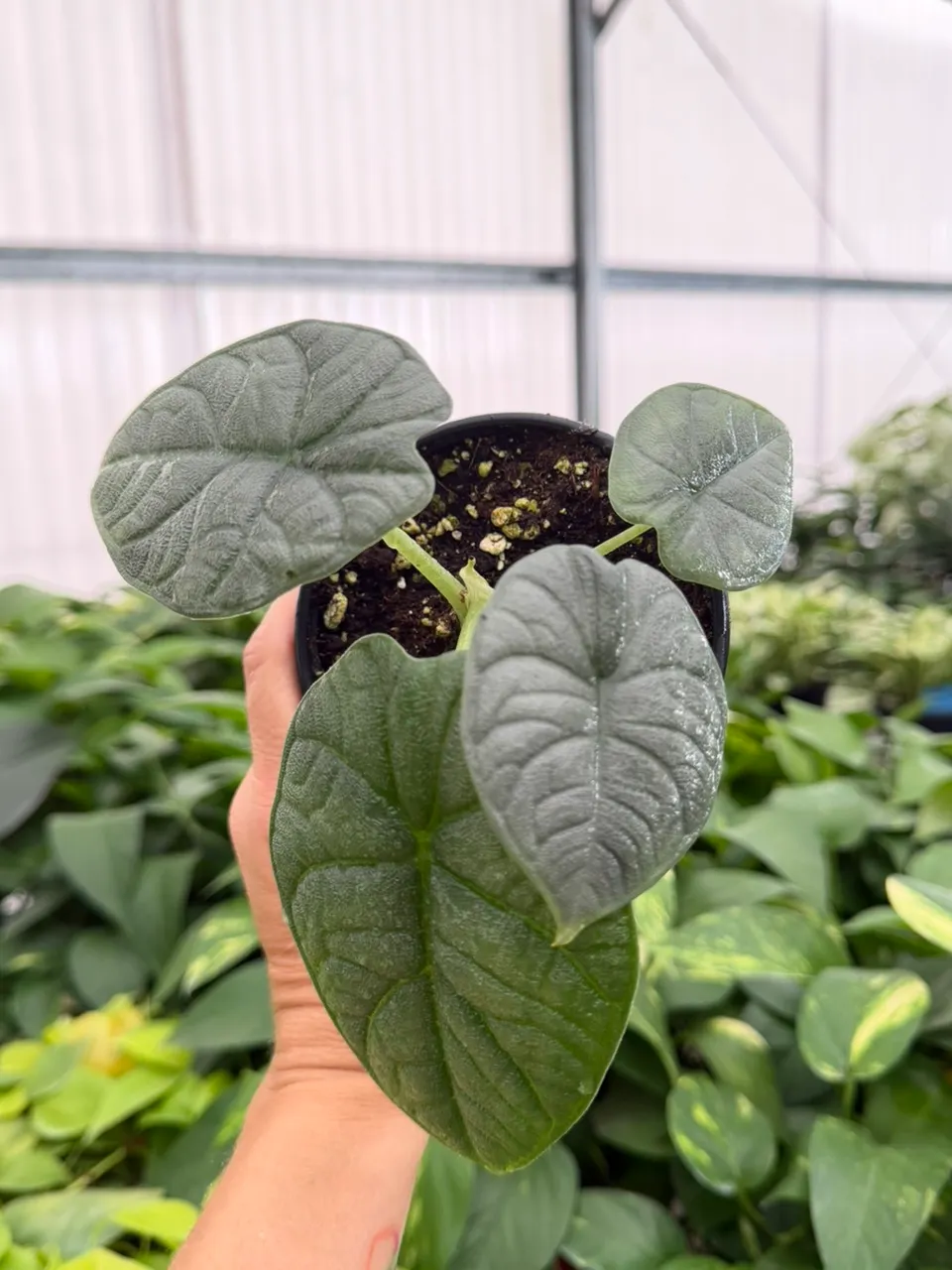
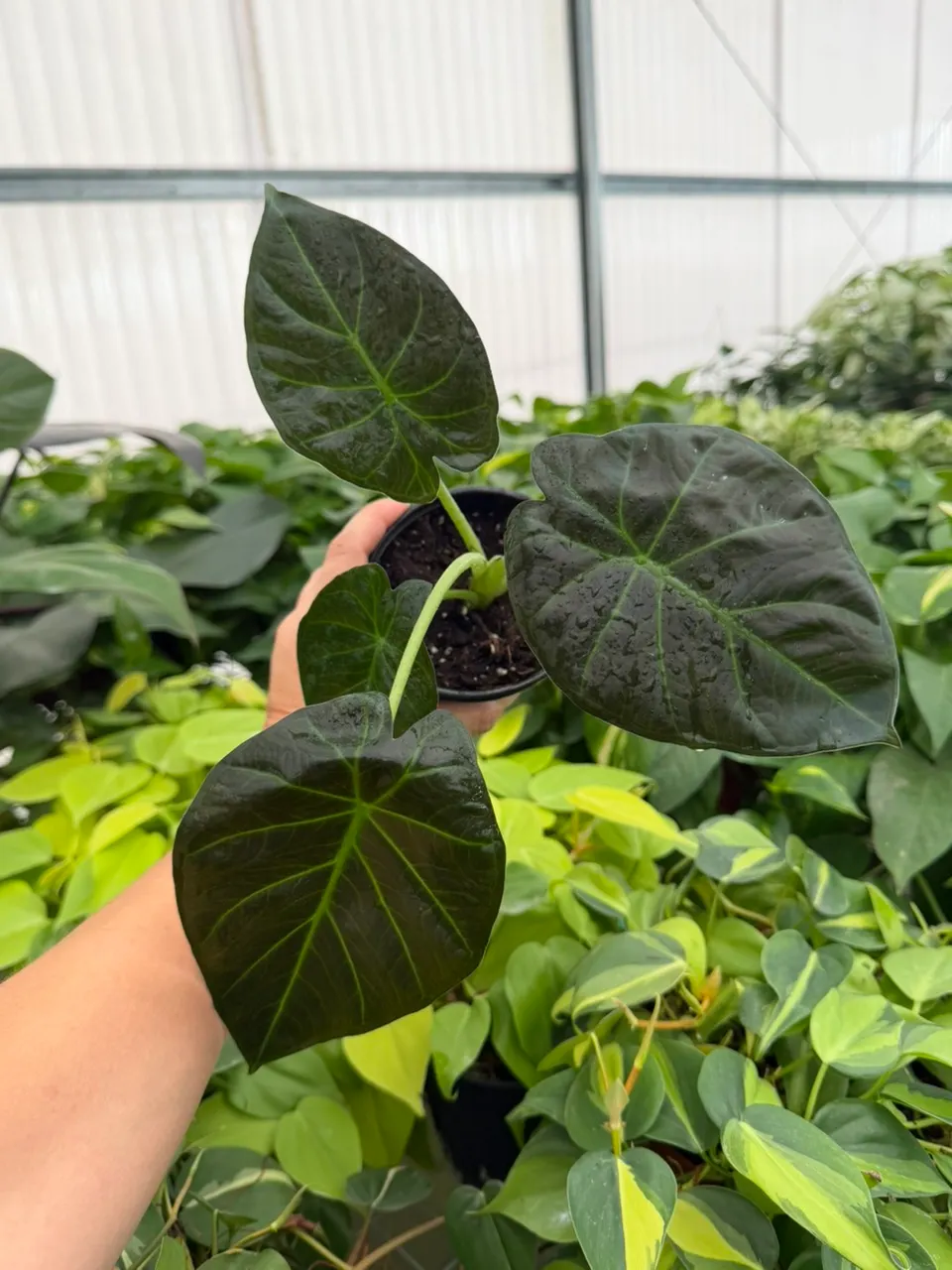
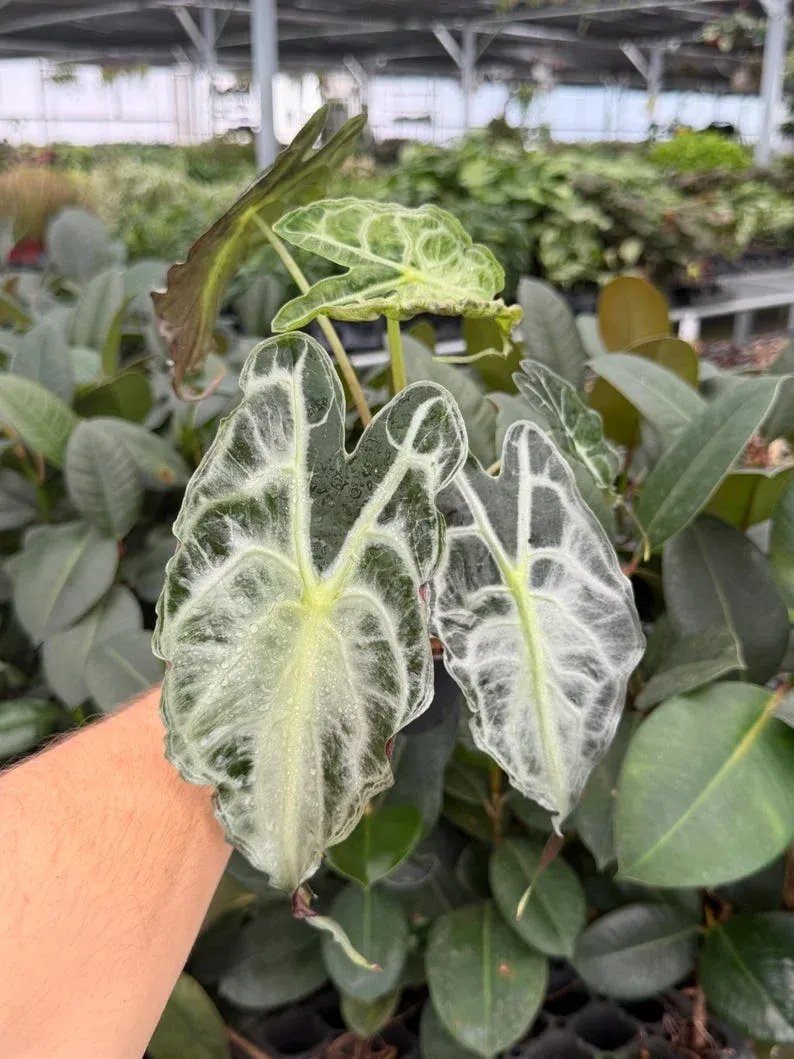
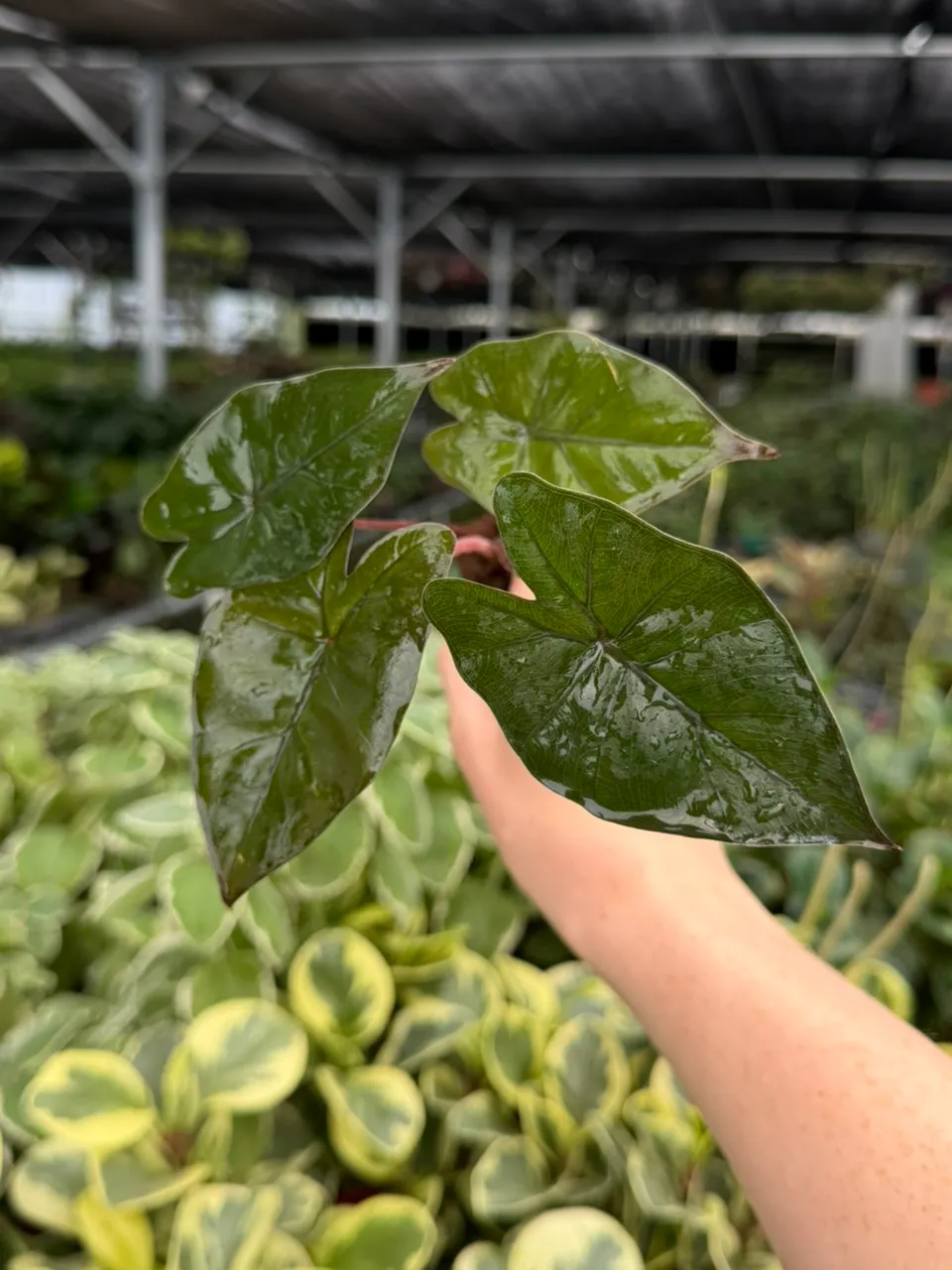
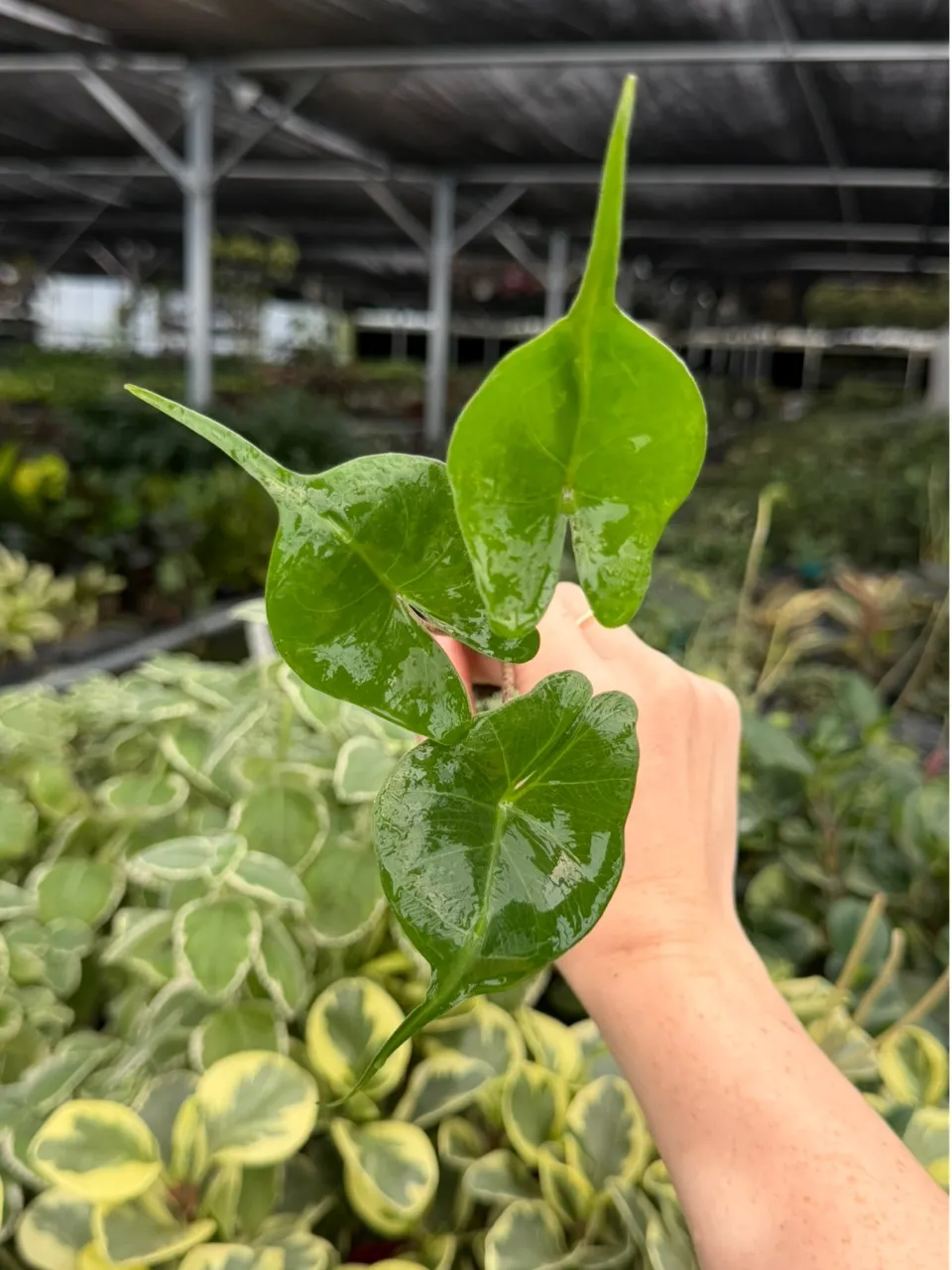
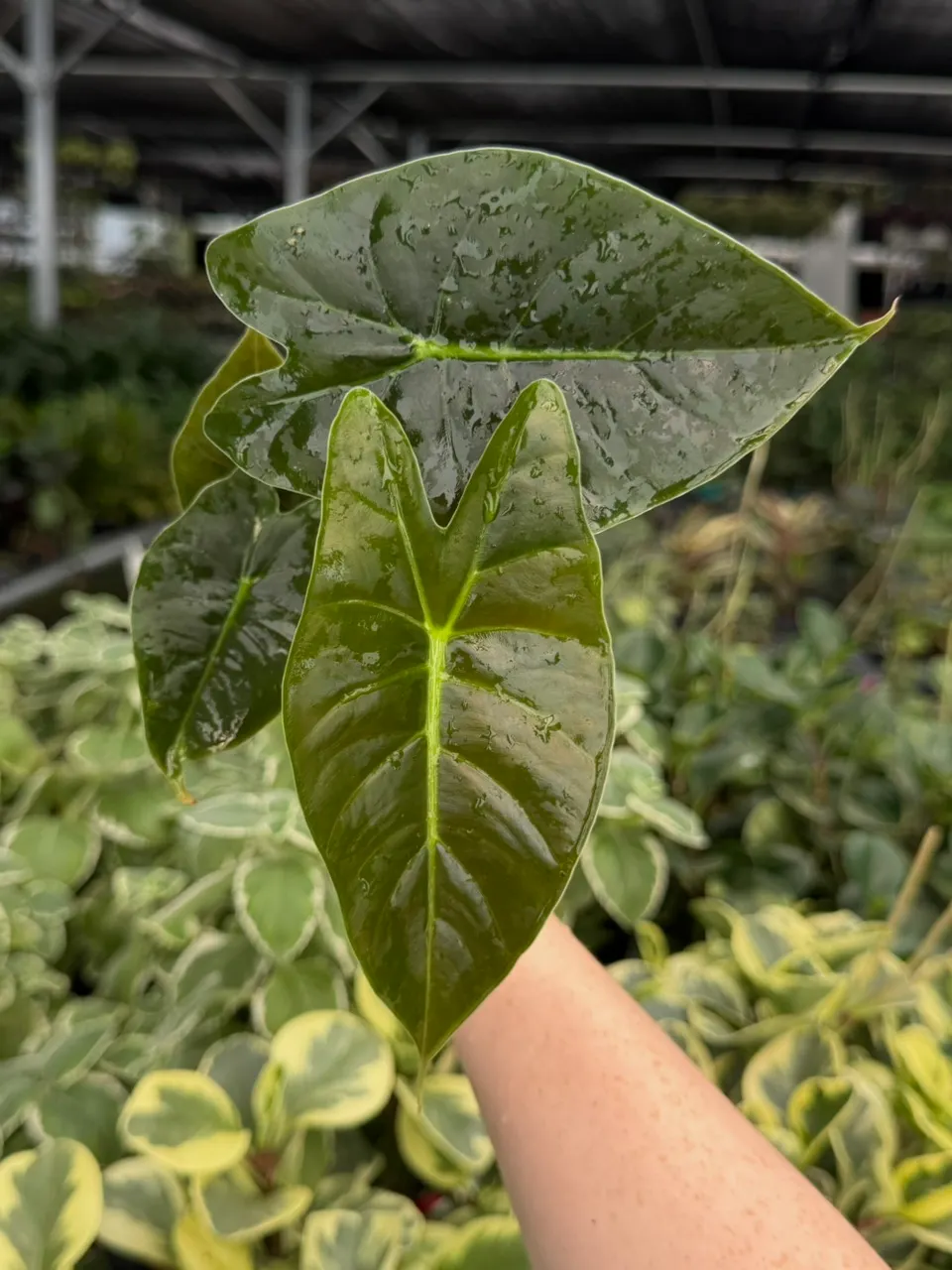
Anthurium Coriaceum The Leatherleaf Anthurium — named with botanical directness for the defining characteristic that sets it apart from virtually everything else in a genus dominated by velvety and glossy-leaved species. Anthurium coriaceum is native to the tropical forests of South America, where it grows as a large terrestrial and epiphytic bird's nest anthurium — a morphologically distinct group defined by their dramatic rosette-forming, self-heading habit in which numerous long, arching leaves emerge from a central crown and spread outward in a wide bowl-like arrangement that functions in nature as a collection basin for rainfall, fallen organic matter, and the debris that constitutes the plant's primary nutrient source in its forest canopy and understory habitat. The leaves are extraordinary in their scale and texture: extremely long, elongated to broadly paddle-shaped, thick, and genuinely, unmistakably leathery in a way that most plants described as "leathery" are not — each leaf firm, substantial, and durable in a manner that makes the plant feel almost architectural rather than botanical. The surface color is a rich, deep green that develops a handsome semi-glossy finish at maturity, with prominently impressed venation creating a clean, confident surface texture across each large leaf. On well-grown mature specimens the leaves can reach several feet in length, and the full spread of the rosette creates a commanding, jungle-canopy presence that is genuinely unlike most other anthuriums available to collectors. It is a species that rewards patience and space — slow to fill out in youth but ultimately one of the most impressive large-format aroids in cultivation, and one that demonstrates how much range and variety exists within a genus too often reduced in collector imagination to velvet cordate leaves and contrasting venation. As a bird's nest species, A. coriaceum is best grown in a wide, appropriately scaled pot that accommodates the spreading rosette crown — it requires no pole or climbing support and resents being crowded into a container too small for its eventual spread. Provide bright to medium indirect light; the species is more adaptable across a light range than most collector anthuriums and tolerates somewhat lower light without significant loss of character, though consistent bright indirect light produces the fastest growth and the most richly colored, largest leaves. Keep the medium consistently but lightly moist in a rich, well-draining mix of orchid bark, coco coir, and perlite — a moderately fertile substrate supports the best growth given the species' natural reliance on collected organic debris for nutrition. Humidity above 60% supports the healthiest leaf development and cleanest emergence. Maintain warm temperatures between 60-80°F. Toxic to humans and pets if ingested.
Accepted payment methods




Have questions?
Download the app to message sellers about price, availability, shipping, or anything else you need.

Rare finds, all in one place
Shop for rare plants, reptiles, collectibles, gems and handmade goods you won’t find anywhere else.

Secure checkout, always
Your payment is protected and only released to sellers once your order arrives.

Watch. Chat. Buy.
Tune into live shows, chat with sellers, join auctions, purges, giveaways and shop instantly.

Ship it your way
Ask the seller for bundled shipping, delivery upgrades, custom shipping, or local pickup.