Product description
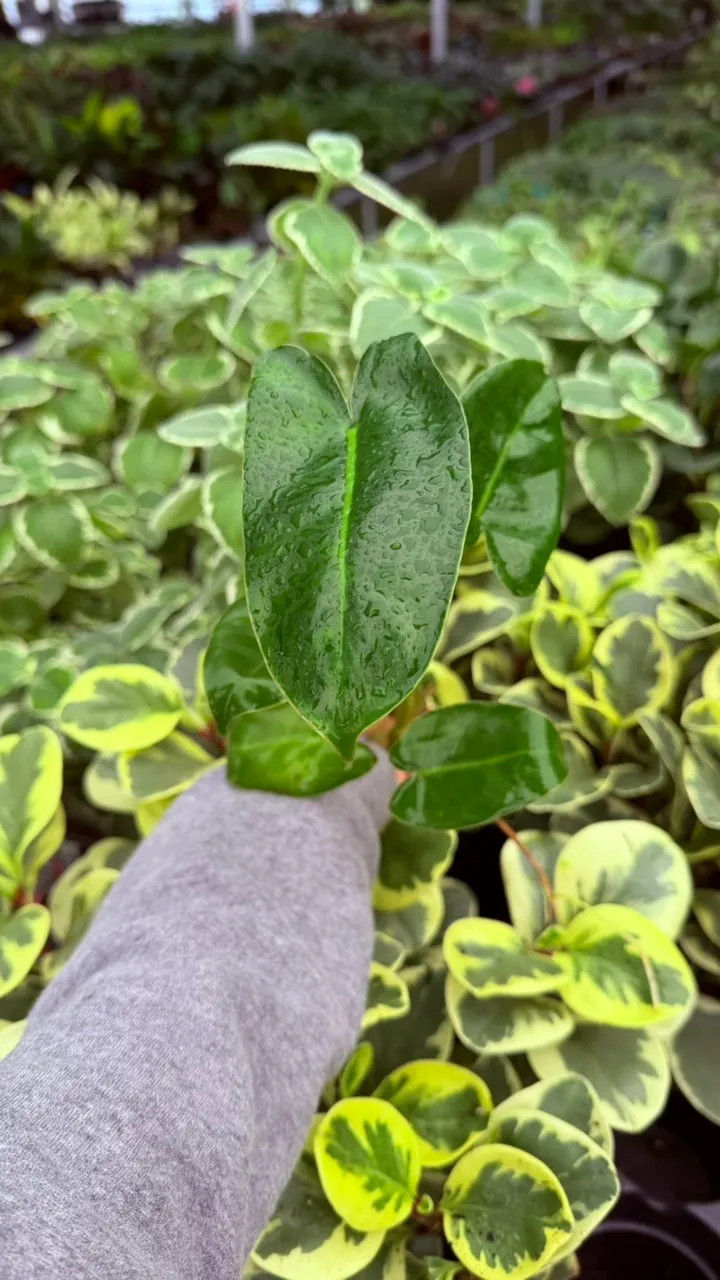
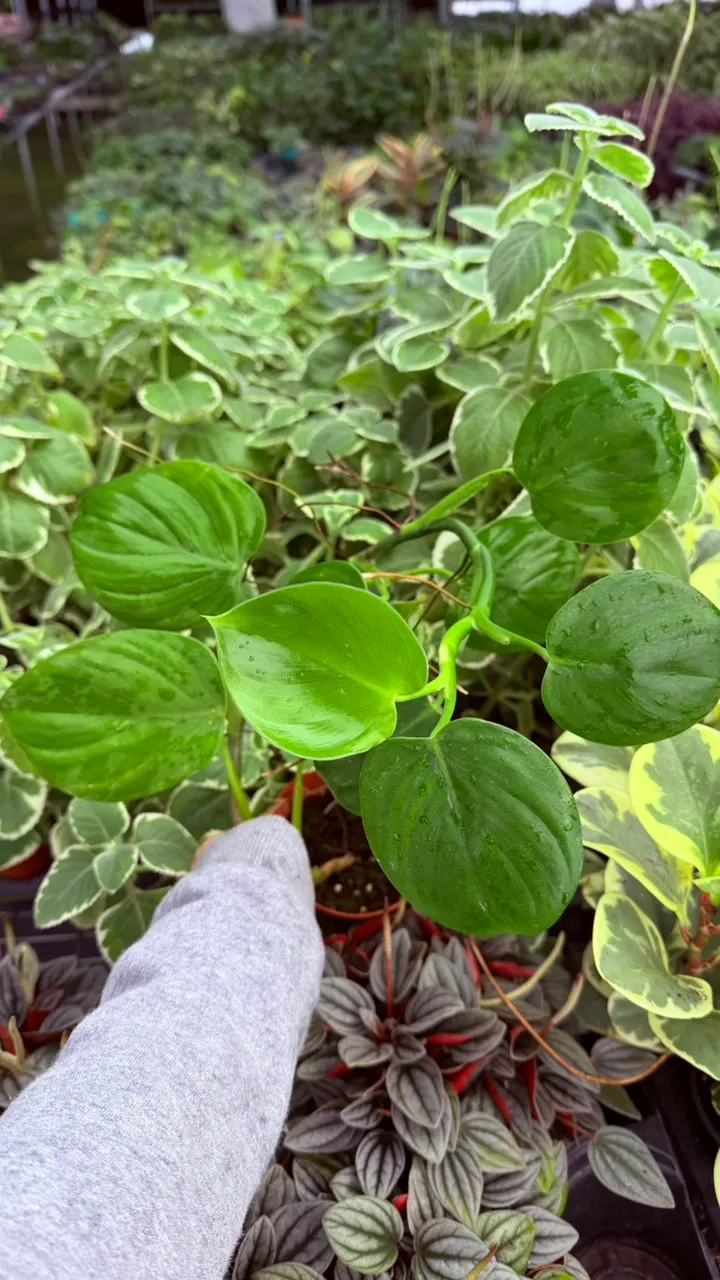
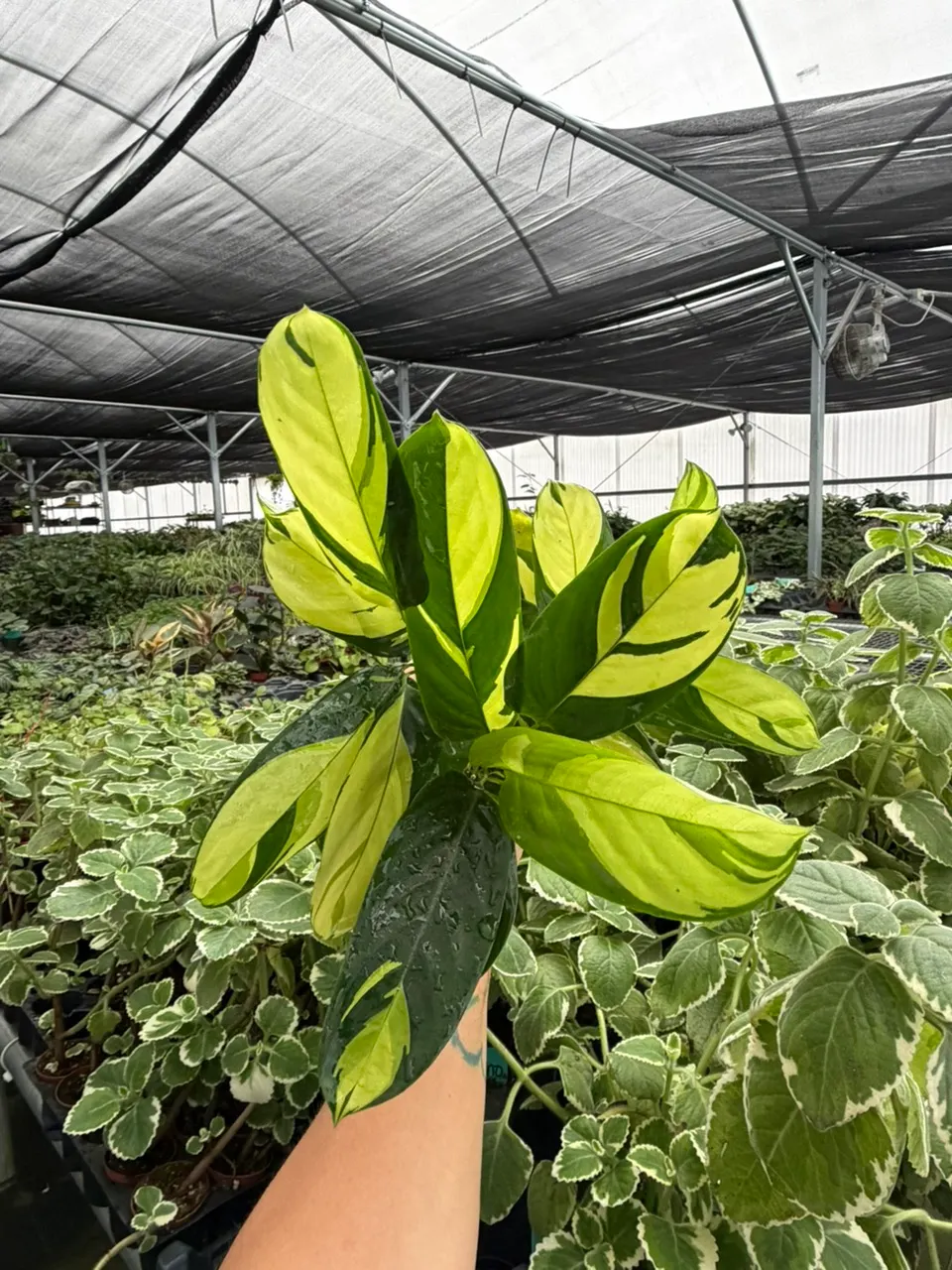
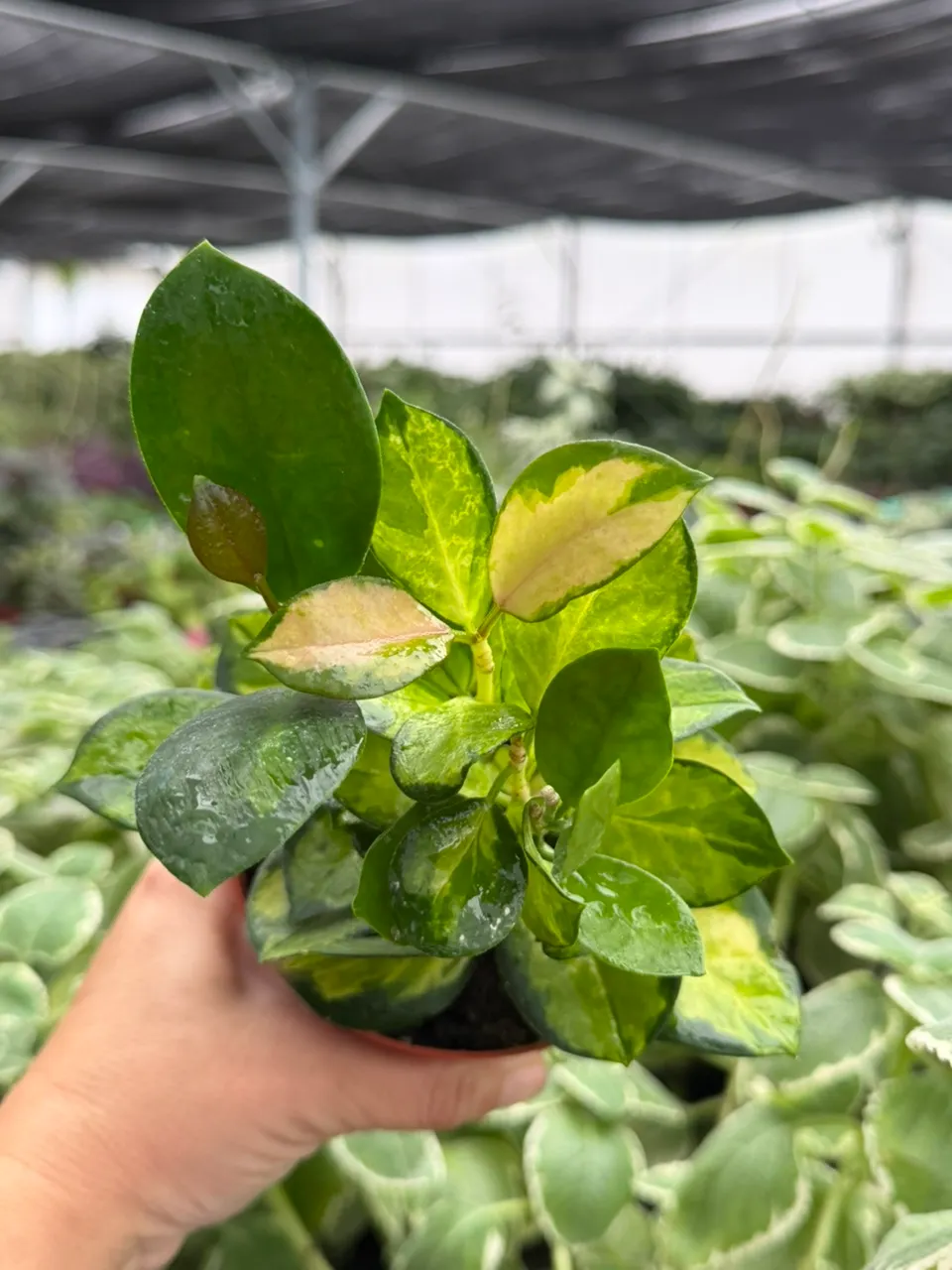
Epipremnum aureum ‘Manjula’ is a patented and highly sought-after pothos cultivar developed by the University of Florida — its broad, heart-shaped leaves are a masterclass in variegation, swirled and marbled in white, cream, silver, and green with soft, wavy edges that distinguish it from every other pothos on the market. No two leaves are alike, and the variegation pattern shifts unpredictably from heavily marbled to almost solid, creating a plant that is constantly surprising. Rare, refined, and deeply collectible.Care Guide Light: Bright indirect light is essential to maintain the white and cream variegation. Insufficient light causes new leaves to emerge with less marbling and more green. Avoid direct sun, which scorches the variegated sections. Water: Allow the top 1–2 inches of soil to dry between waterings. The heavily variegated sections are more sensitive to overwatering — err on the drier side and ensure excellent drainage. Humidity: Thrives at 50–70% humidity. Tolerates average household levels but benefits from a humidifier for optimal leaf size and variegation expression. Temperature: Prefers 65–85°F (18–29°C). Keep away from cold drafts and temperatures below 55°F. Soil: Light, well-draining aroid mix — potting soil, perlite, and a touch of orchid bark. Fertilizer: Feed monthly during the growing season with a balanced liquid fertilizer at half strength. Avoid high-nitrogen formulas, which can suppress variegation. Growth habit: Trailing and vining — beautiful in hanging baskets or trained to climb a moss pole, which encourages larger, more dramatically variegated leaves. Toxicity: Toxic to pets and humans if ingested.
Accepted payment methods




Have questions?
Download the app to message sellers about price, availability, shipping, or anything else you need.

Rare finds, all in one place
Shop for rare plants, reptiles, collectibles, gems and handmade goods you won’t find anywhere else.

Secure checkout, always
Your payment is protected and only released to sellers once your order arrives.

Watch. Chat. Buy.
Tune into live shows, chat with sellers, join auctions, purges, giveaways and shop instantly.

Ship it your way
Ask the seller for bundled shipping, delivery upgrades, custom shipping, or local pickup.