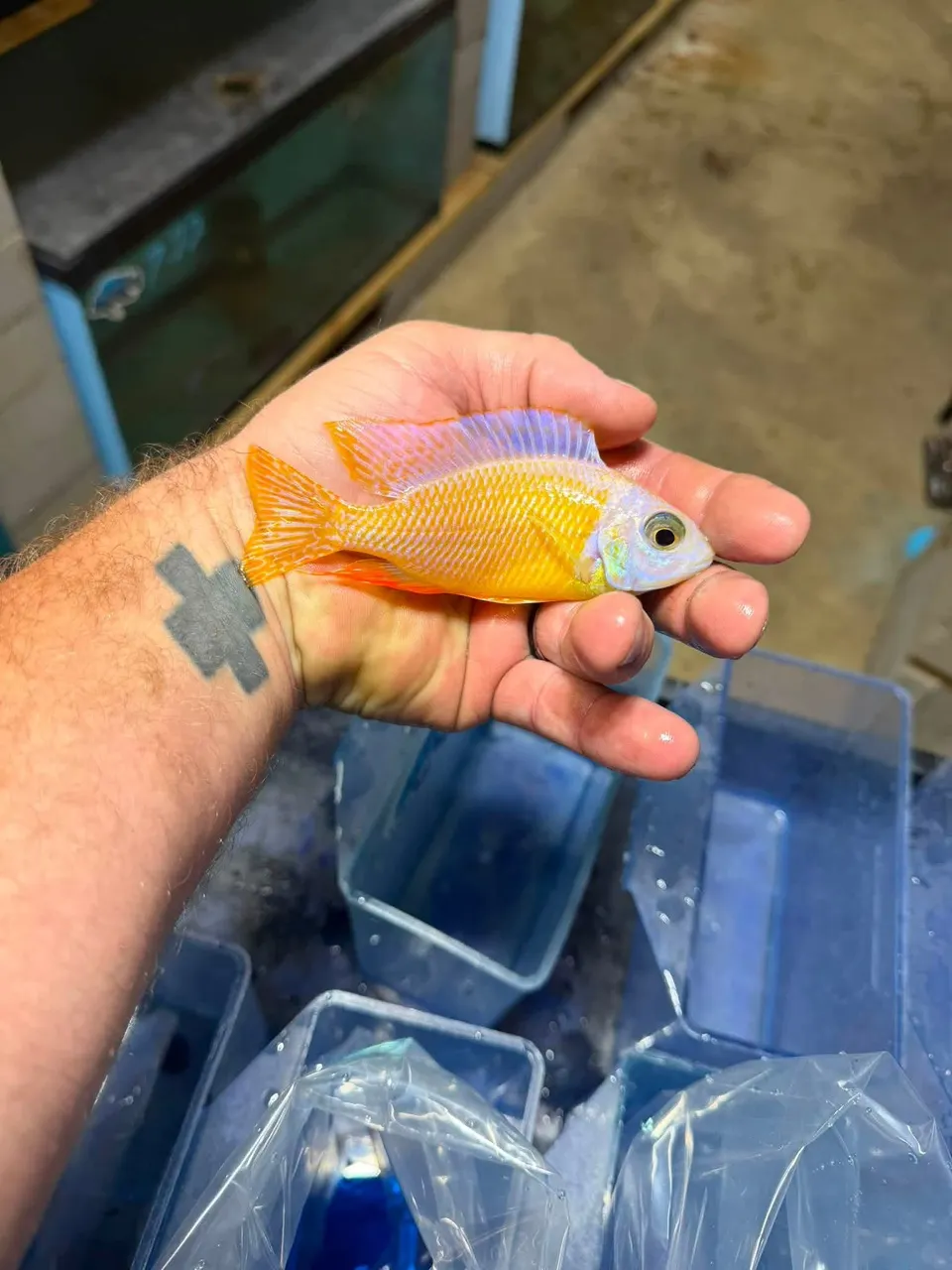
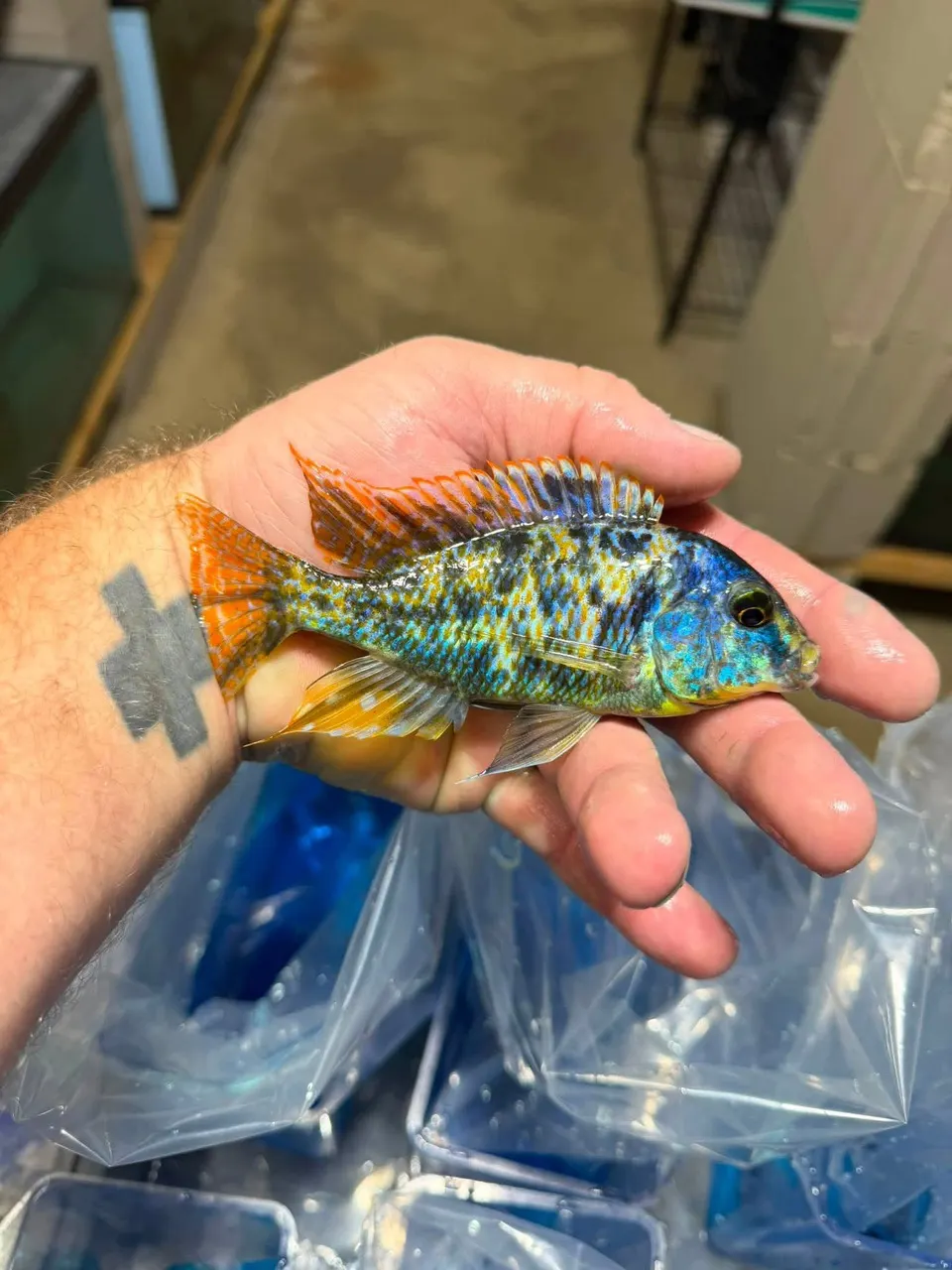
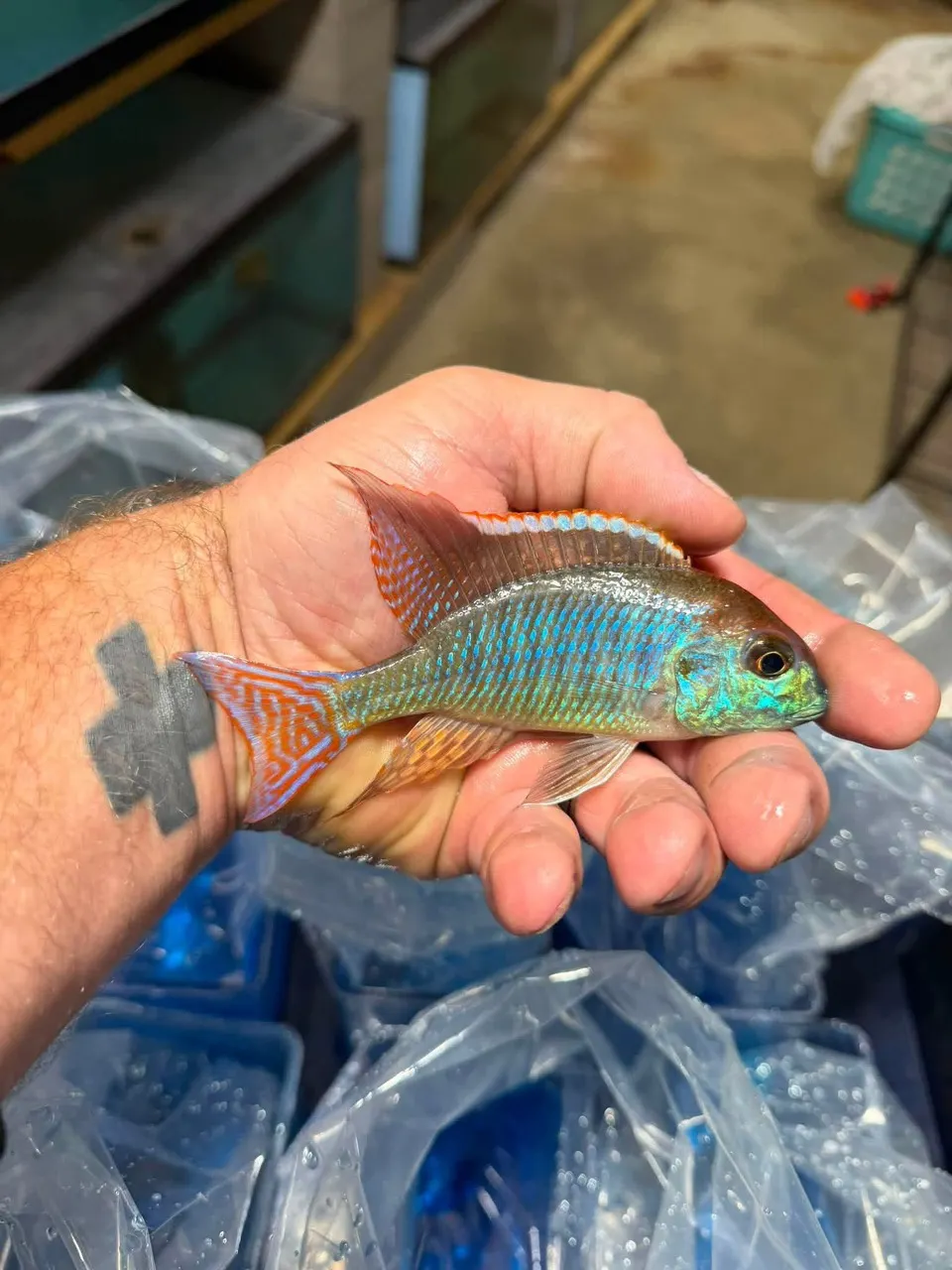
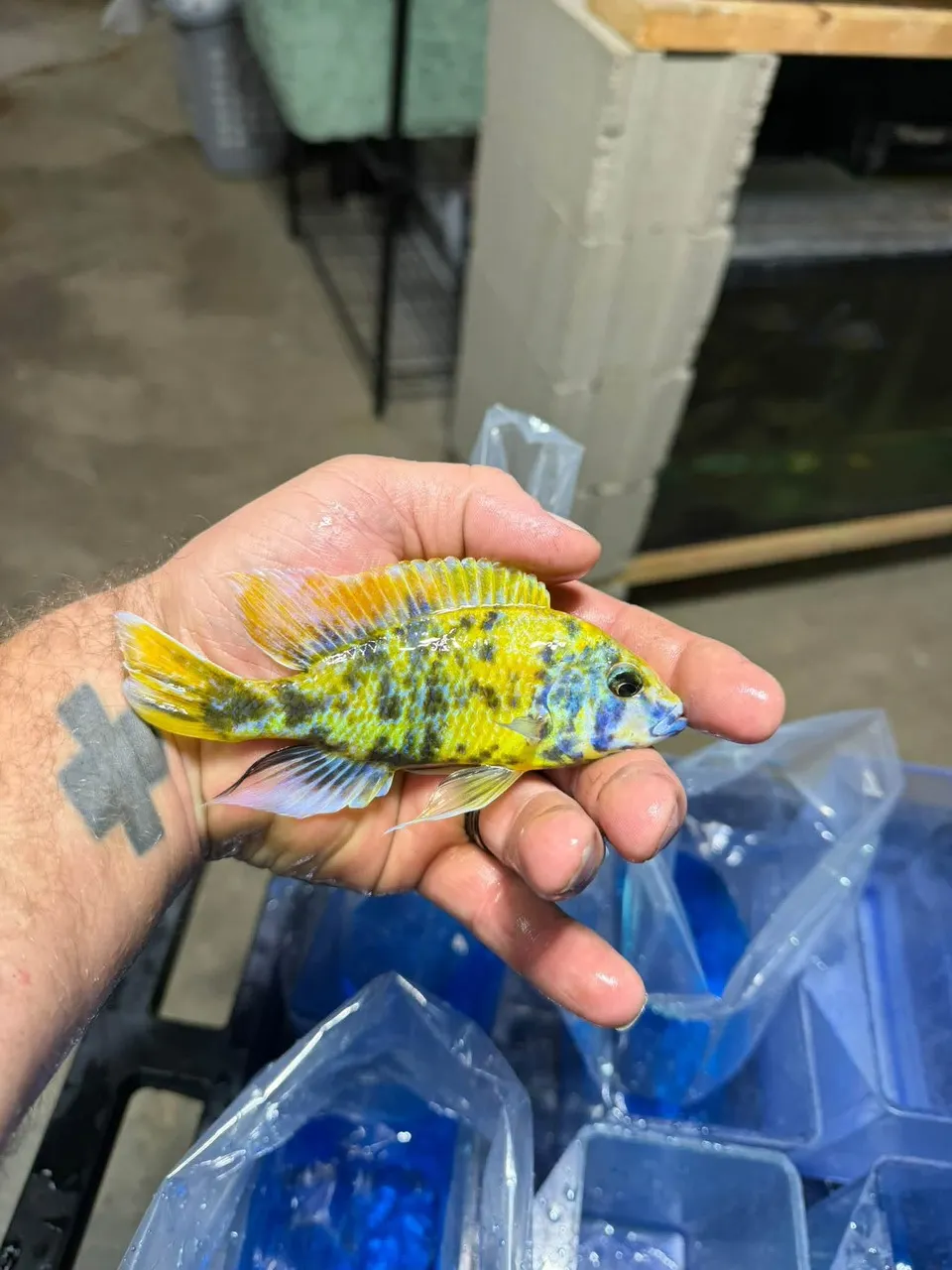
Product description
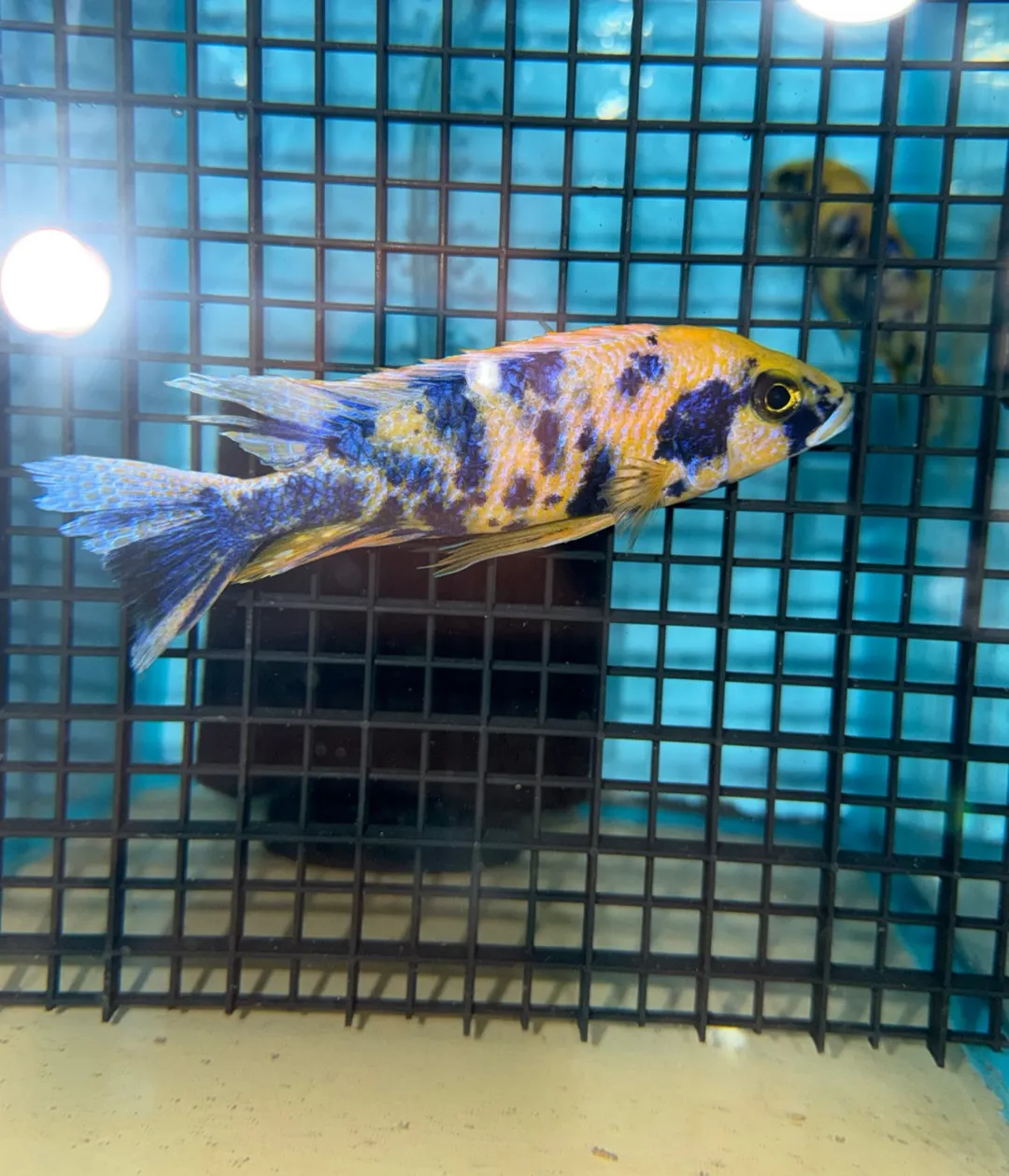
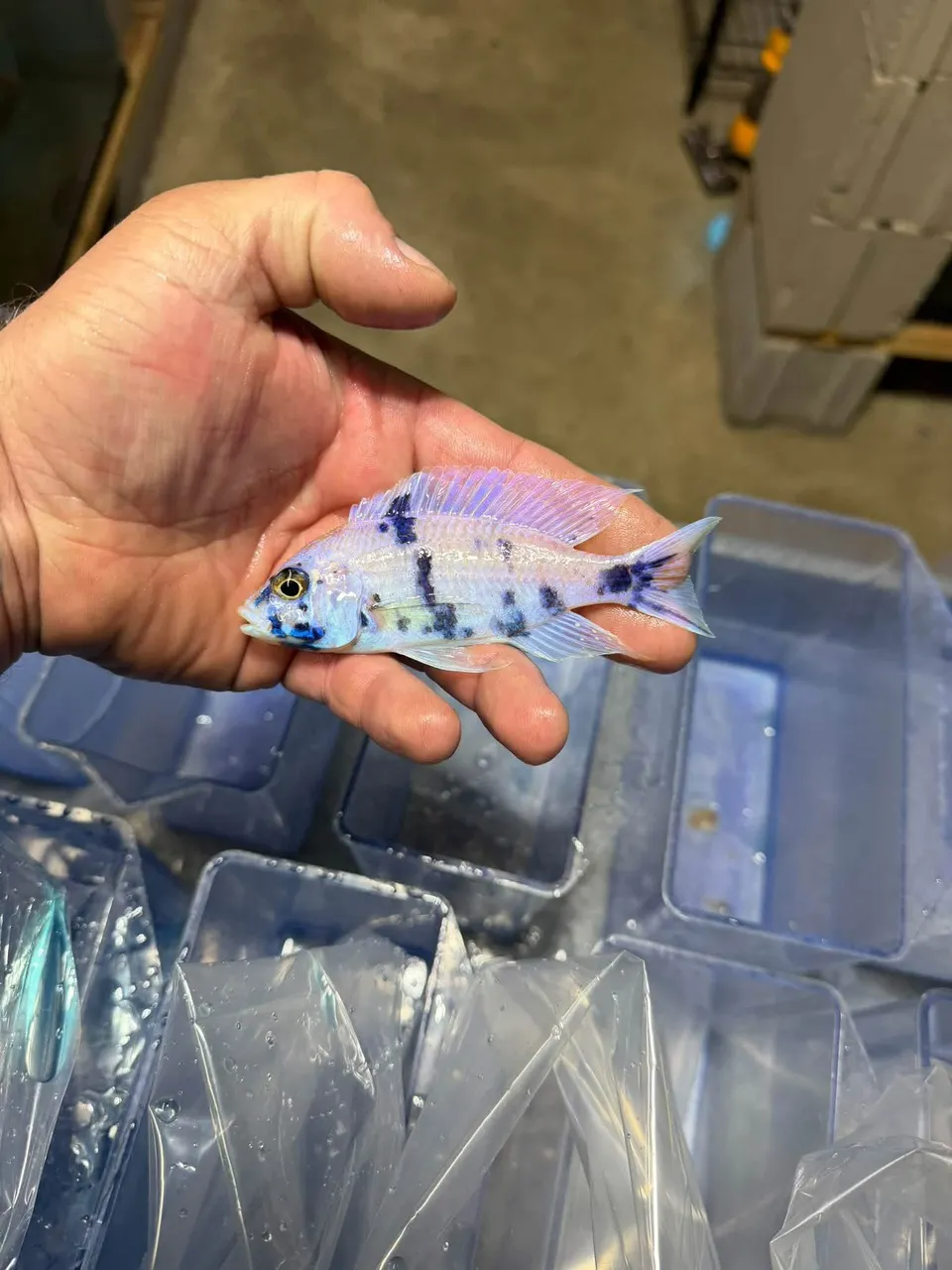
<h3>Turquoise Hap (Protomelas marginatus)<h3>r
<strong>Introduction<strong>:r
The Turquoise Hap (Protomelas marginatus) is a captivating cichlid species from Lake Malawi, known for its shimmering blue-green hues and graceful swimming. Their brilliant turquoise coloration, coupled with their relatively calm demeanor, makes them a favorite among cichlid enthusiasts. With proper care and an adequate tank setup, the Turquoise Hap can be a stunning centerpiece in any Malawi cichlid community tank.r
r
<strong>1. Natural Habitat and Behavior<strong>r
In the wild, the Turquoise Hap inhabits rocky and sandy areas of Lake Malawi, often grazing on algae and small invertebrates. Males, particularly during breeding season, display intense turquoise shades, while females are more subdued in coloration. Though they are moderately territorial during spawning, Turquoise Haps are generally peaceful for a Haplochromine cichlid, making them easier to manage in a mixed-species setup.r
r
<strong>2. Aquarium Setup<strong>r
<ul>r
<li><strong>Tank Size<strong>: A minimum of 75 gallons is recommended to provide ample swimming space and accommodate their potential size.<li>r
<li><strong>Substrate<strong>: Use fine sand to replicate their natural habitat, allowing them to sift through it in search of food.<li>r
<li><strong>Decor<strong>: Incorporate rocky structures to provide hiding spots and territorial boundaries, along with open spaces for free swimming. Rock caves help create a secure environment while allowing natural behaviors.<li>r
<li><strong>Water Conditions<strong>: Maintain water temperatures between 75-82°F (24-28°C) and a pH of 7.8-8.6, with hard, alkaline water conditions typical of Lake Malawi.<li>r
<li><strong>Lighting<strong>: Moderate lighting will enhance their vibrant turquoise coloration, particularly in males.<li>r
<ul>r
<strong>3. Diet and Feeding<strong>r
Turquoise Haps are omnivorous, feeding primarily on algae, small crustaceans, and invertebrates in the wild. In the aquarium, they should be offered a varied diet that includes high-quality cichlid pellets, as well as live or frozen foods such as brine shrimp and daphnia. It is important to provide them with plant-based food like spirulina to balance their diet and prevent excessive protein intake. Feed them 1-2 times daily, offering a mix of plant and animal matter.r
r
<strong>4. Compatibility with Other Fish<strong>r
Turquoise Haps are relatively peaceful for a Haplochromine species, making them compatible with a variety of other Lake Malawi cichlids, such as Peacocks and other Haps. Avoid highly aggressive species like large Mbuna, as these can cause unnecessary stress. A single male with several females is ideal to minimize territorial disputes, particularly during breeding.r
r
<strong>5. Common Challenges and Tips<strong>r
<ul>r
<li><strong>Territorial Behavior<strong>: Males may become territorial during breeding. Ensure sufficient tank space and rock formations to allow fish to establish their territories without constant conflict.<li>r
<li><strong>Diet Management<strong>: Ensure a balanced diet with both plant and animal matter to promote good health. Avoid excessive protein, as it can lead to issues like Malawi bloat.<li>r
<li><strong>Water Quality<strong>: As with all cichlids, maintaining excellent water quality is crucial. Regular water changes and careful monitoring of water parameters are necessary to keep them healthy and vibrant.<li>r
<ul>r
<strong>Conclusion<strong>:r
The Turquoise Hap is an eye-catching addition to any Lake Malawi aquarium, with its radiant turquoise colors and relatively peaceful nature. While they require proper care and a well-maintained environment, their stunning appearance and unique personality make them a rewarding species for cichlid enthusiasts.
Accepted payment methods




Have questions?
Download the app to message sellers about price, availability, shipping, or anything else you need.

Rare finds, all in one place
Shop for rare plants, reptiles, collectibles, gems and handmade goods you won’t find anywhere else.

Secure checkout, always
Your payment is protected and only released to sellers once your order arrives.

Watch. Chat. Buy.
Tune into live shows, chat with sellers, join auctions, purges, giveaways and shop instantly.

Ship it your way
Ask the seller for bundled shipping, delivery upgrades, custom shipping, or local pickup.