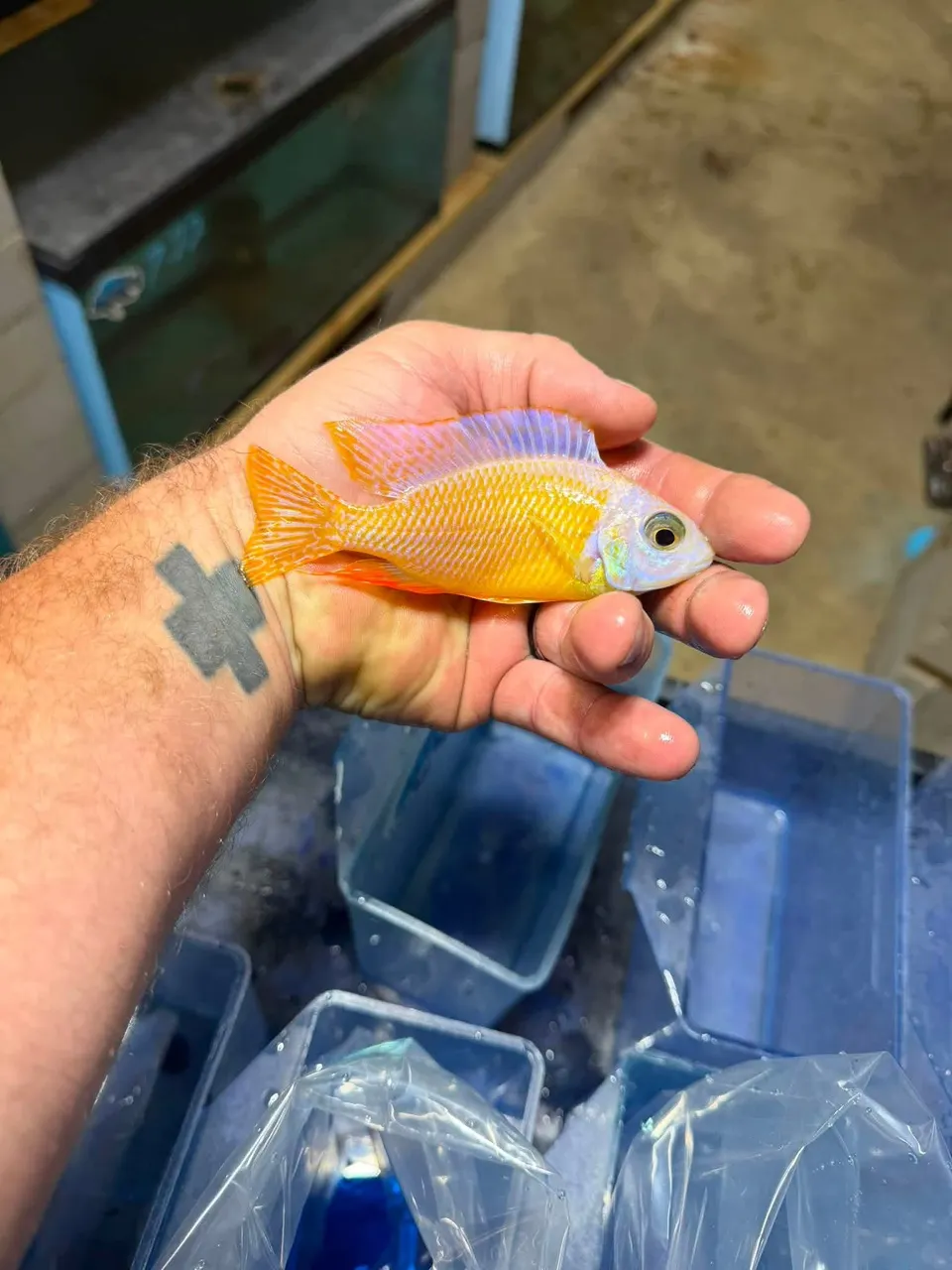
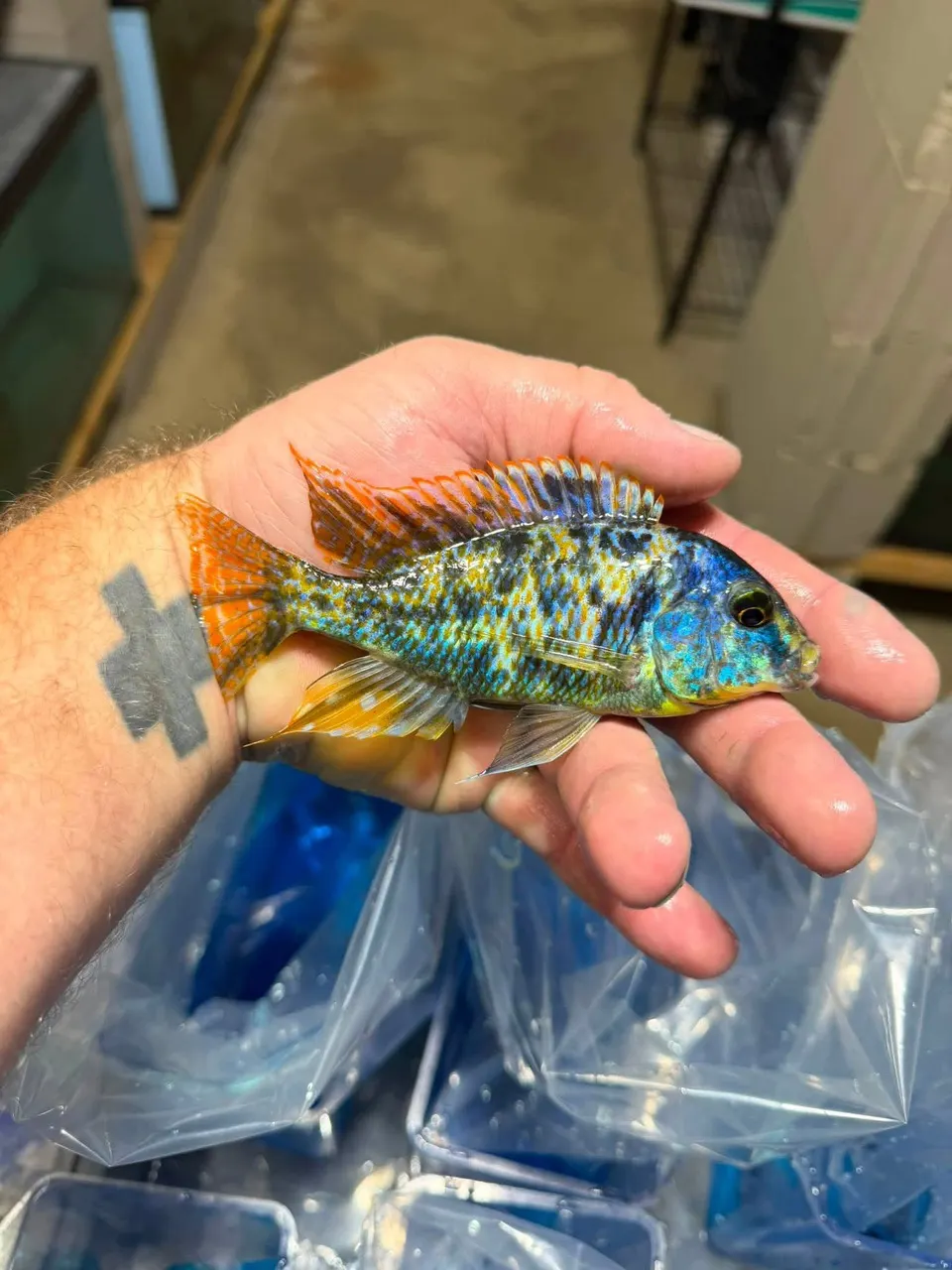
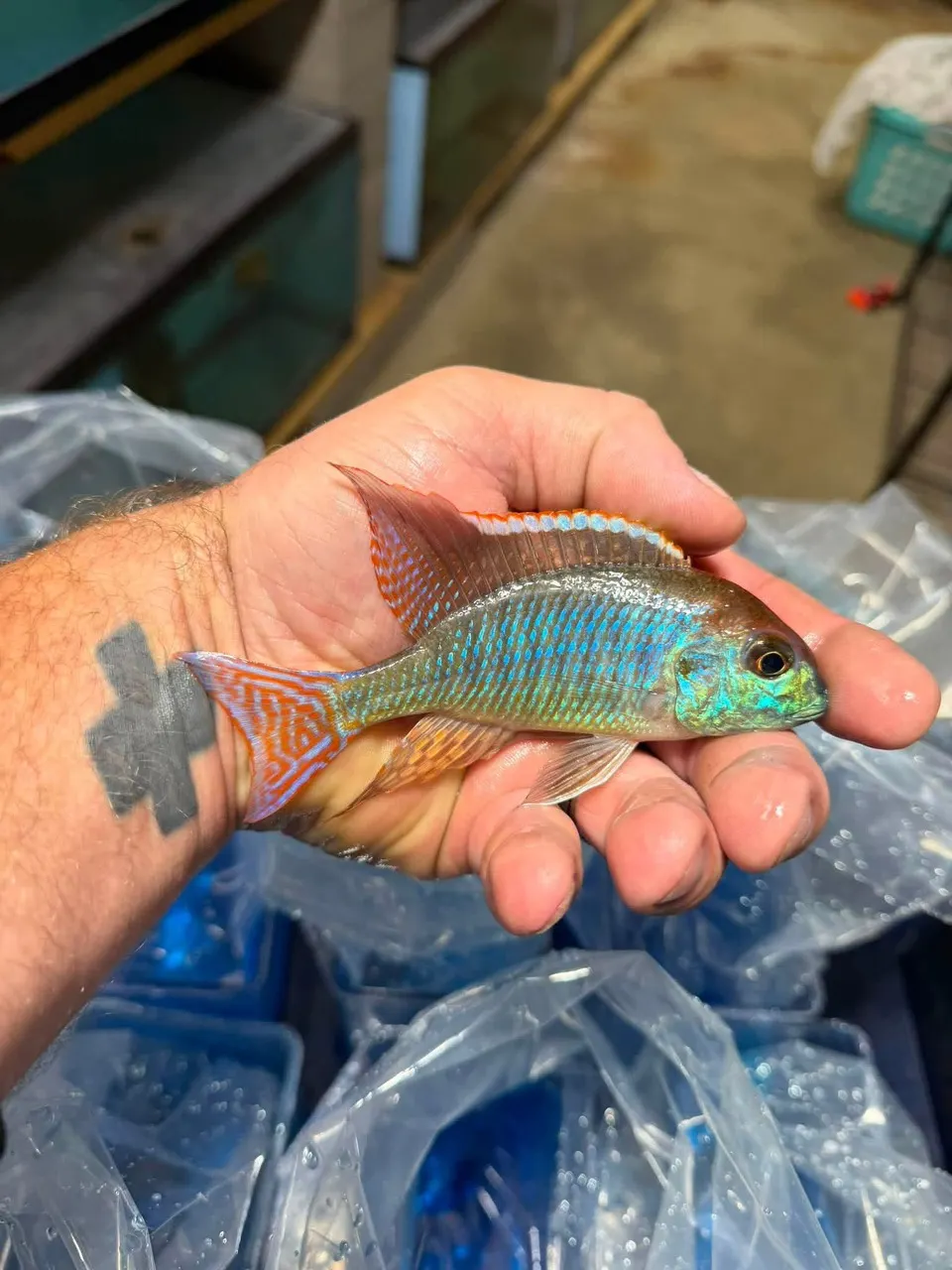
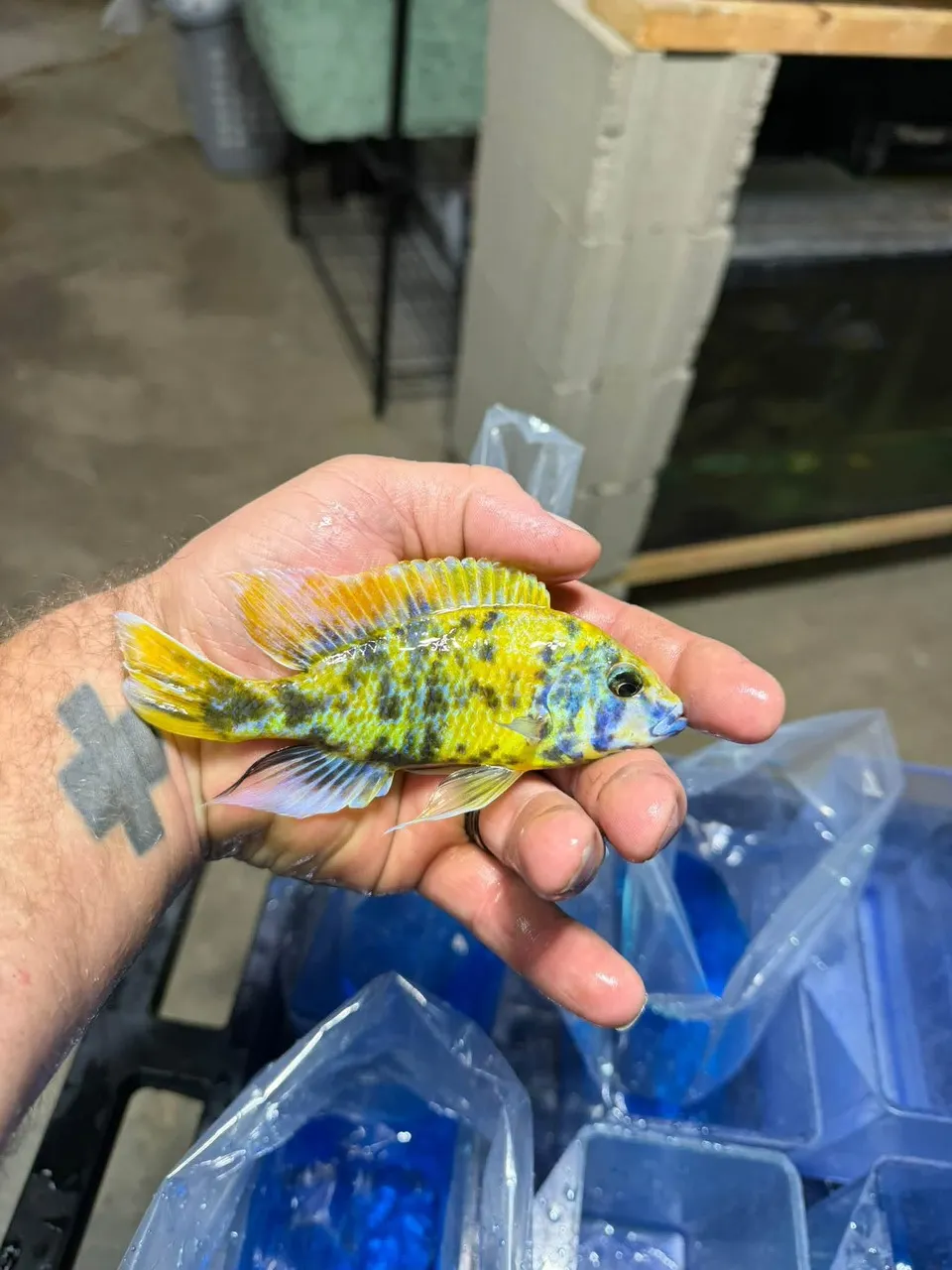
Product description
<h3>Peacock Eel – <em>Macrognathus siamensis<em><h3>r
<strong>Introduction<strong>r
The Peacock Eel (<em>Macrognathus siamensis<em>) is a visually striking freshwater eel known for the "eye" spots on its dorsal fin, giving it its common name. Reaching up to 12 inches (30 cm) in captivity, this eel is a captivating choice for aquarists who enjoy nocturnal, burrowing species with a peaceful nature. Ideal for moderate to advanced hobbyists, the Peacock Eel adds a unique, exotic charm to any freshwater tank.r
r
<strong>1. Natural Habitat and Behavior<strong>r
Native to slow-moving rivers and streams across Southeast Asia, the Peacock Eel prefers soft, sandy substrates where it can burrow and hide. It is a nocturnal predator, typically active at night and often spending the day hidden under the substrate or decor. In the wild, it relies on ambush tactics to catch small fish and invertebrates.r
r
<strong>2. Aquarium Setup<strong>r
<ul>r
<li><strong>Tank Size<strong>: A minimum of 30 gallons is required, with more space preferred for additional hiding spots and movement.<li>r
<li><strong>Substrate<strong>: Soft sand or smooth gravel to facilitate burrowing and protect its delicate skin.<li>r
<li><strong>Decor<strong>: Use driftwood, rocks, and PVC pipes to provide ample hiding places, along with live plants to mimic its natural environment.<li>r
<li><strong>Water Conditions<strong>: Maintain water at a temperature of 75–82°F (24–28°C) with a pH of 6.5–7.5. The Peacock Eel thrives in soft to moderately hard water.<li>r
<li><strong>Lighting<strong>: Low lighting is preferred, as they are more active and visible under dim conditions.<li>r
<ul>r
<strong>3. Diet and Feeding<strong>r
As a carnivore, the Peacock Eel thrives on a protein-rich diet. Offer a mix of live or frozen foods such as bloodworms, brine shrimp, and tubifex worms. They may also accept small pieces of shrimp or fish. Feed in the evening to align with their nocturnal habits and ensure food reaches them before tankmates consume it.r
r
<strong>4. Compatibility with Other Fish<strong>r
Peacock Eels are generally peaceful and can coexist with other similarly sized, non-aggressive tankmates. Suitable companions include peaceful community fish like gouramis, barbs, and larger tetras. Avoid housing them with small fish or invertebrates, as these may be seen as prey.r
r
<strong>5. Common Challenges and Tips<strong>r
<ul>r
<li><strong>Escaping<strong>: Peacock Eels are skilled escape artists, so a secure tank lid is essential.<li>r
<li><strong>Shyness<strong>: They are naturally shy, particularly during the day. Providing plenty of hiding spots can reduce stress.<li>r
<li><strong>Water Quality<strong>: Regular water changes are important, as they are sensitive to poor water quality.<li>r
<ul>r
<strong>Conclusion<strong>r
With its unique appearance and intriguing behavior, the Peacock Eel is a fascinating addition to a freshwater aquarium. While it requires specific care, such as a soft substrate and protein-rich diet, it rewards dedicated hobbyists with its elegance and engaging habits.
Accepted payment methods




Have questions?
Download the app to message sellers about price, availability, shipping, or anything else you need.

Rare finds, all in one place
Shop for rare plants, reptiles, collectibles, gems and handmade goods you won’t find anywhere else.

Secure checkout, always
Your payment is protected and only released to sellers once your order arrives.

Watch. Chat. Buy.
Tune into live shows, chat with sellers, join auctions, purges, giveaways and shop instantly.

Ship it your way
Ask the seller for bundled shipping, delivery upgrades, custom shipping, or local pickup.