Product description
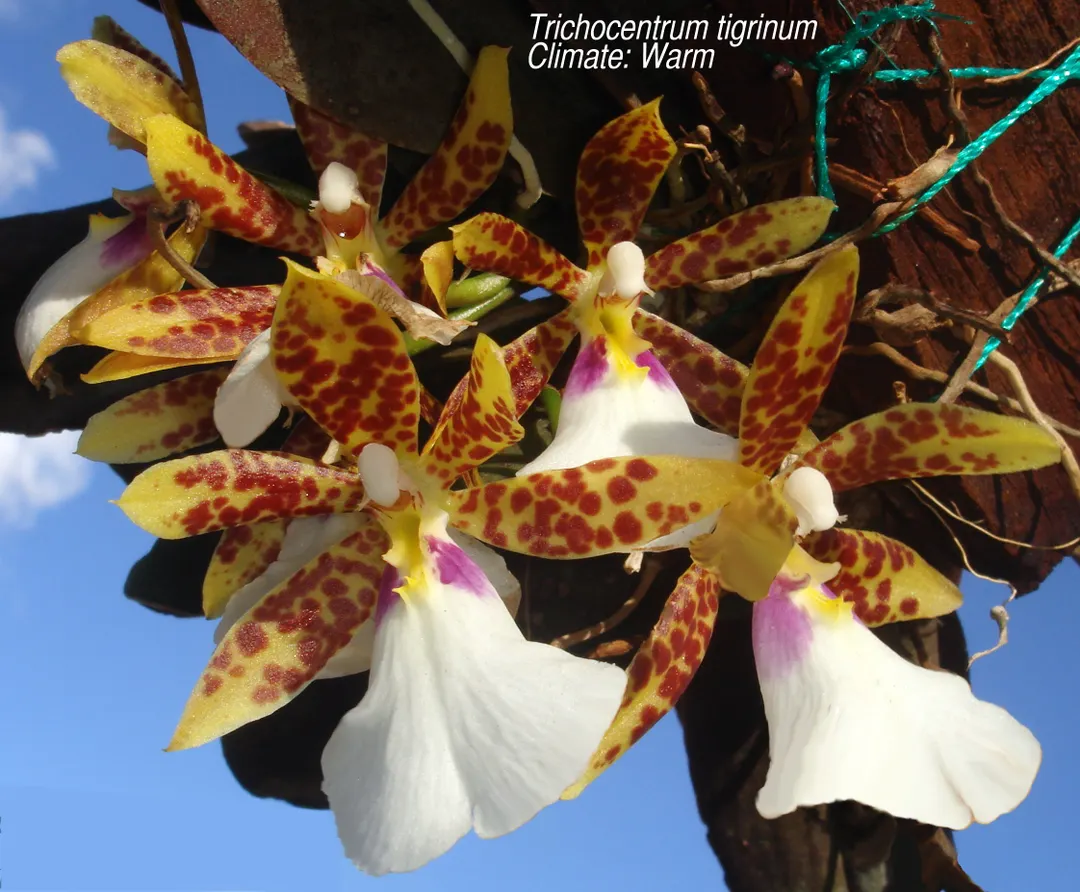
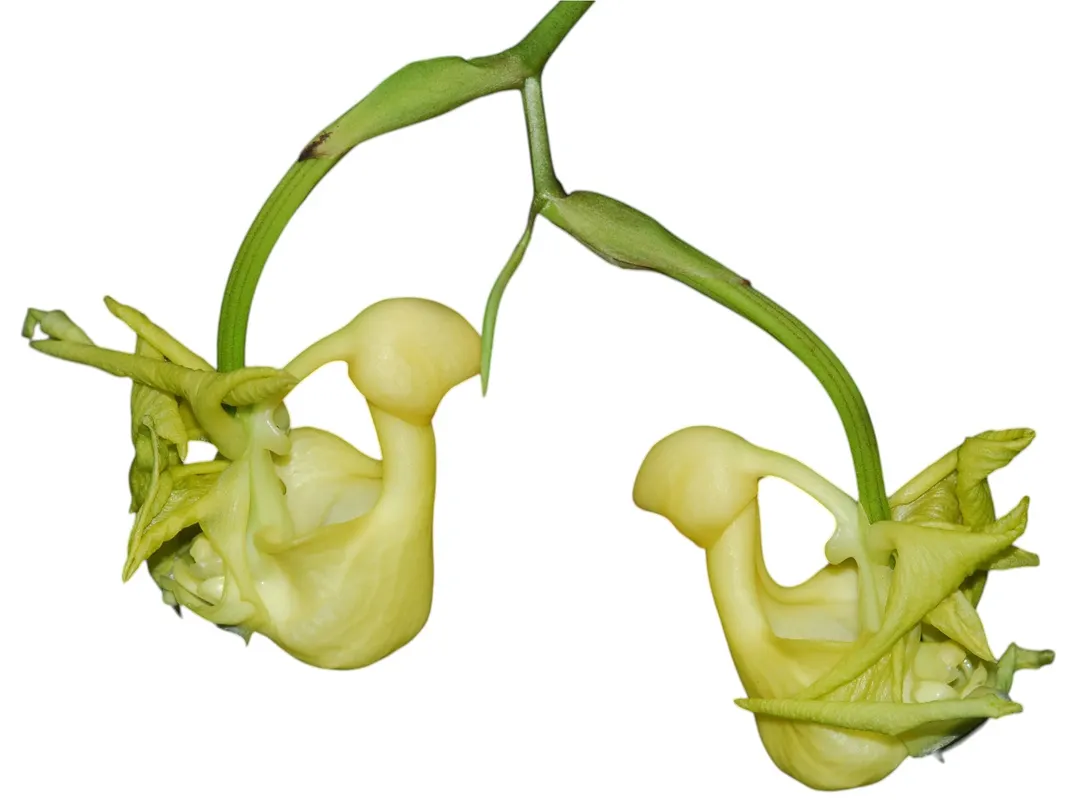
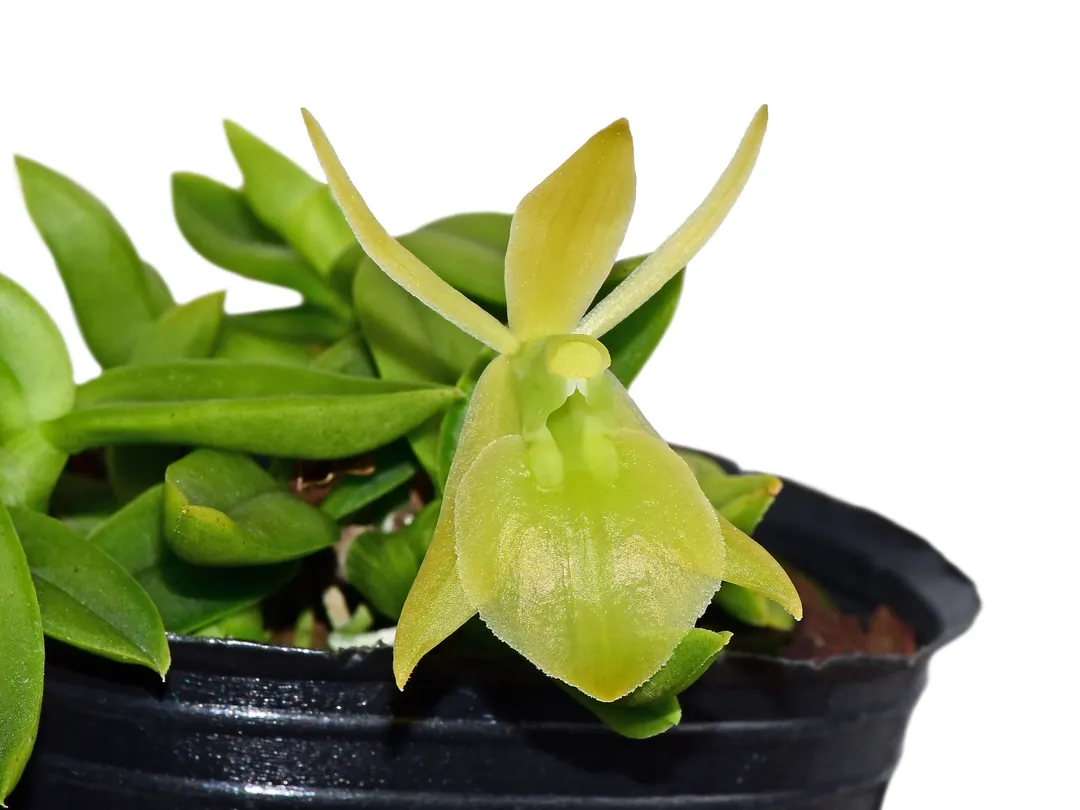
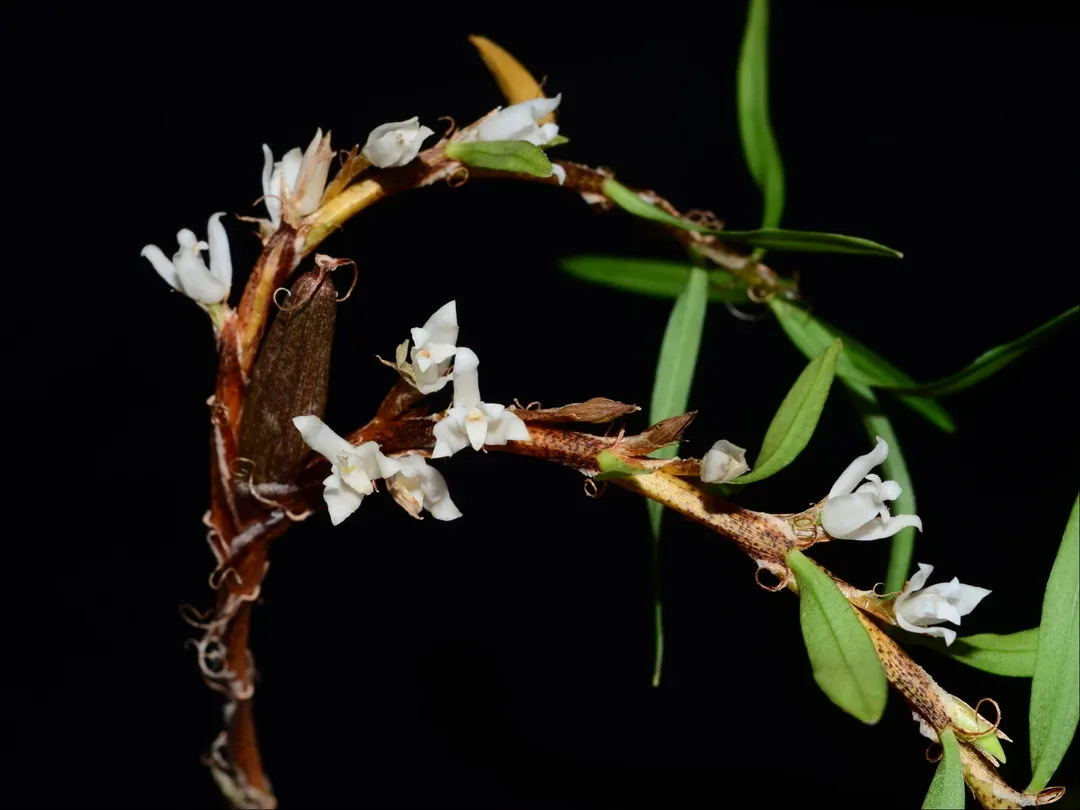
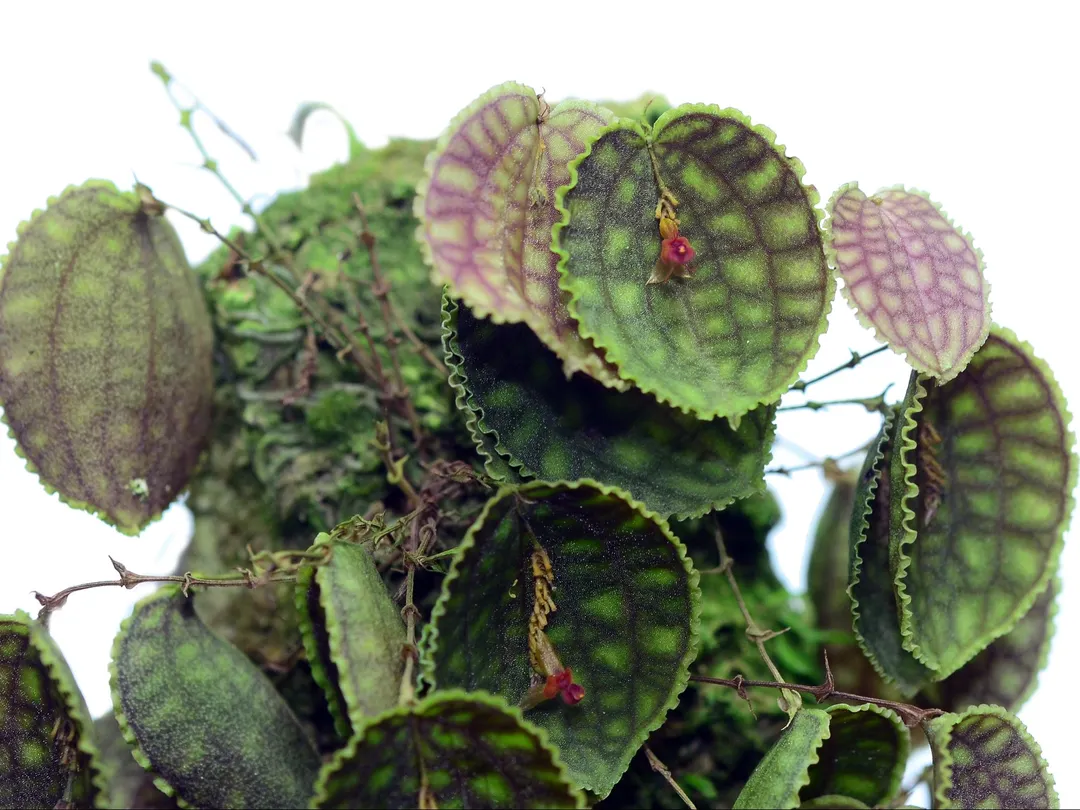
Acianthera johnsonii Culture: Successful cultivation of Acianthera johnsonii requires attention to the following aspects: Light: Prefers shaded to semi-shaded conditions. Avoid direct sunlight. Temperature: Intermediate to warm growing. Aim for daytime temperatures around 20-25°C (68-77°F) and slightly cooler nighttime temperatures between 15-20°C (59-68°F). Humidity: Requires high humidity levels, ideally between 70-80%. This can be achieved with humidifiers, pebble trays, or regular misting. Watering: Keep the substrate consistently moist, but avoid overwatering which can lead to root rot. Ensure the potting mix is well-draining. Substrate: Prefers a fine, well-draining substrate such as fine bark mix, sphagnum moss, or a mix designed for small epiphytes. It can also be grown mounted on cork or tree fern. Additional Notes: It is found in primary and secondary pineoak forests at elevations ranging from 1000 to 2450 meters. Acianthera johnsonii has terete (cylindrical) ramicauls (secondary stems) that are enveloped by overlapping sheaths. The inflorescence is a short raceme that arises from the base of the leaf and bears several (5-7) small, often yellowish flowers spotted with purple.
Accepted payment methods




Have questions?
Download the app to message sellers about price, availability, shipping, or anything else you need.

Rare finds, all in one place
Shop for rare plants, reptiles, collectibles, gems and handmade goods you won’t find anywhere else.

Secure checkout, always
Your payment is protected and only released to sellers once your order arrives.

Watch. Chat. Buy.
Tune into live shows, chat with sellers, join auctions, purges, giveaways and shop instantly.

Ship it your way
Ask the seller for bundled shipping, delivery upgrades, custom shipping, or local pickup.