Product description
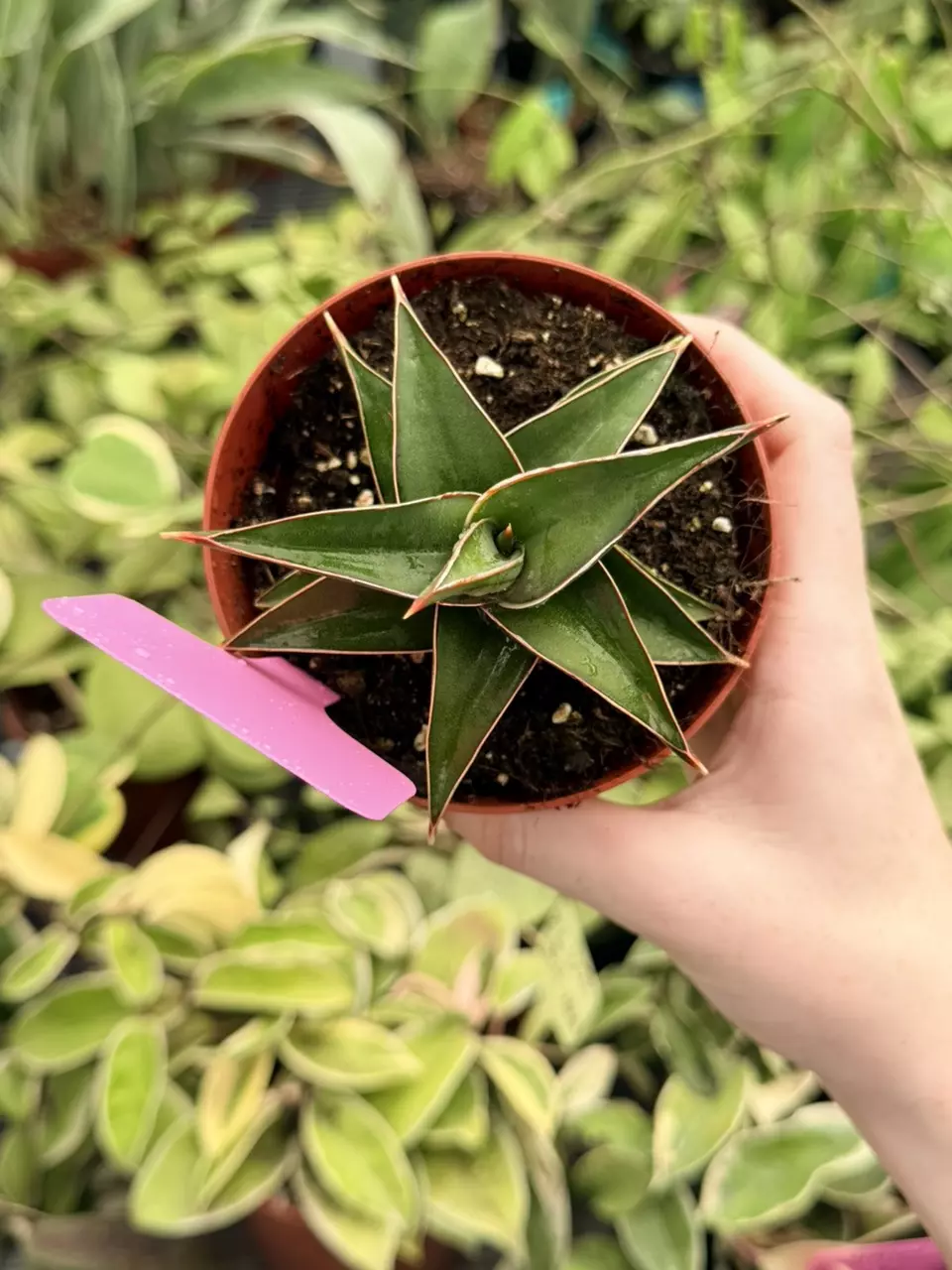
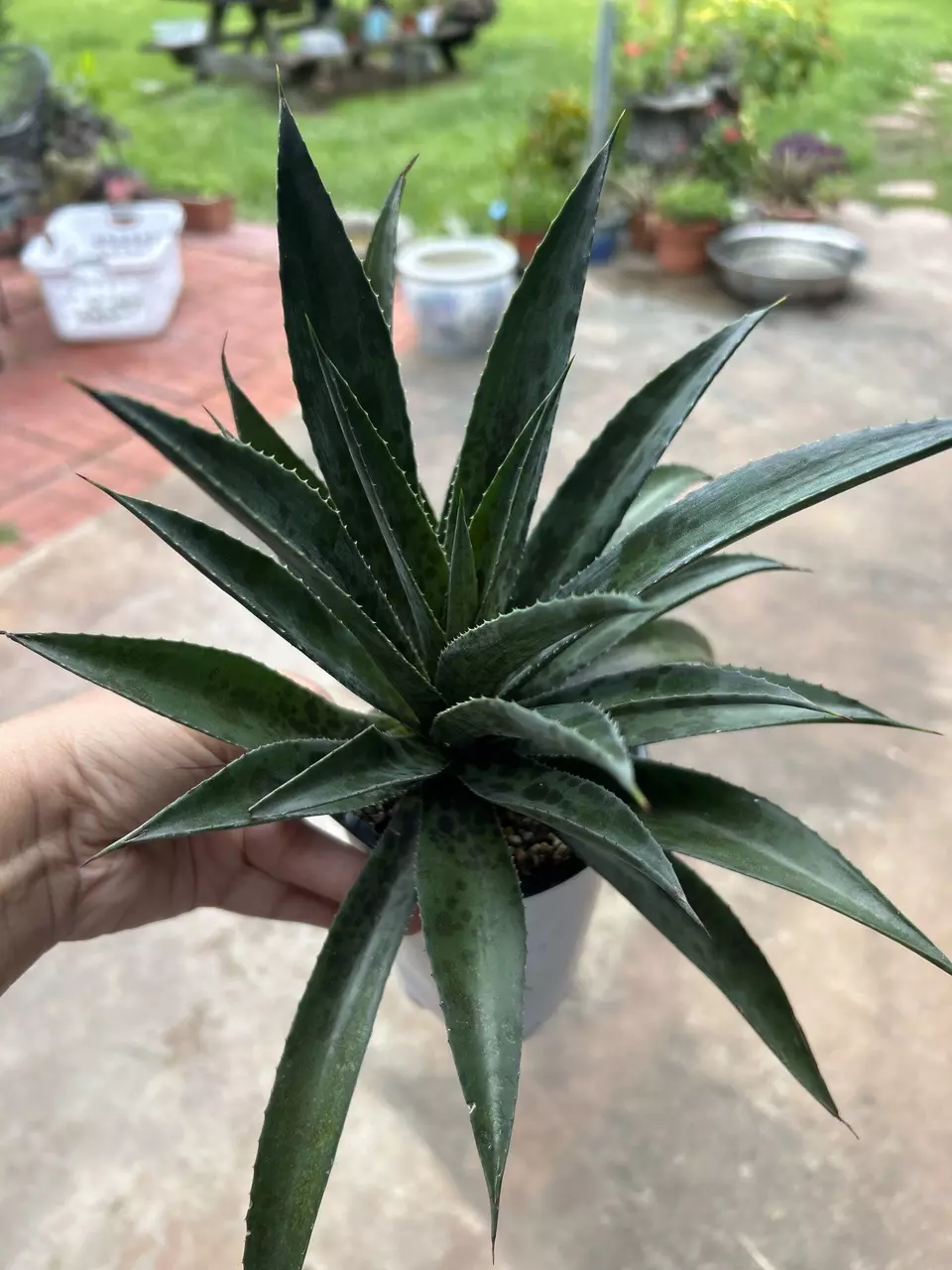
Caring for the Haworthia venosa subsp. tessellata (Veined Haworthia) requires balancing its need for bright light with its extreme sensitivity to overwatering. This slow-growing succulent is native to Southern Africa and is characterized by its spiral-shaped rosettes and distinctive "tessellated" or tiled window patterns on its leaves.
+4
Light Requirements
Bright, Indirect Light: This plant thrives in bright, filtered light. While it can tolerate some direct morning sun, intense midday sun will often burn the leaves or cause them to turn an unappealing reddish-brown.
Ideal Placement: A North-facing window is often cited as a perfect indoor location. Alternatively, place it 3–4 feet back from an East or West-facing window to avoid harsh direct rays.
Color as an Indicator: If the leaves are deep green, the light is likely low to medium. If they develop a reddish tint, the plant is receiving more intense, brighter light.
Watering Strategy
The most common cause of death for this plant is root rot due to wet soil.
The "Soak and Dry" Method: Water deeply until water runs out of the drainage holes, then wait until the potting mix is completely dry (several inches down) before watering again.
Seasonal Adjustments:
Spring & Summer: Water roughly every 7–12 days. Be cautious during the hottest peak of summer, as many Haworthias go semi-dormant and require less water.
Fall & Winter: This is typically the active growing season for these plants, but lower light and cooler temperatures mean you should reduce watering to roughly once a month.
Avoid the Center: Never allow water to collect in the center of the rosette, as this can trap moisture and cause the stem to rot.
Soil and Potting
Well-Draining Mix: Use a specialized cactus or succulent potting mix. You can enhance drainage by adding perlite, pumice, or sand (aim for about 30–40% drainage material).
Container Choice: A pot with drainage holes is mandatory. While shallow pots are often recommended due to the plant's clustering habit, some experts suggest slightly deeper pots to accommodate their thick, deep root systems.
Repotting: Because they are slow growers, repotting is only necessary every 2–3 years, typically in the spring.
Temperature and Humidity
Temperature: They prefer a range between 65°F and 85°F (18°C–29°C). They can survive mild, dry frost (down to 23°F -5°C) but should generally be protected from freezing conditions.
Humidity: Average household humidity is fine; they prefer dry environments and do not need misting, which can actually encourage fungal growth.
Maintenance and Safety
Feeding: Fertilizer needs are low. Apply a balanced succulent fertilizer diluted to ¼ or ½ strength once or twice during the growing season (springsummer).
Pests: Watch for mealybugs or aphids. These can be removed with a cotton swab dipped in rubbing alcohol.
Shipping & policies
Estimated shipping date: To be calculated
Ships and local pickup from: Denham Springs , LA
Shipping fee: $15
Sales tax:
. We're required by law to collect sales tax and applicable fees for certain tax authorities.
. Sales taxes vary depending on state.
Returns and exchanges:
. Returns and exchanges are not accepted.

Product description
Caring for the Haworthia venosa subsp. tessellata (Veined Haworthia) requires balancing its need for bright light with its extreme sensitivity to overwatering. This slow-growing succulent is native to Southern Africa and is characterized by its spiral-shaped rosettes and distinctive "tessellated" or tiled window patterns on its leaves.
+4
Light Requirements
Bright, Indirect Light: This plant thrives in bright, filtered light. While it can tolerate some direct morning sun, intense midday sun will often burn the leaves or cause them to turn an unappealing reddish-brown.
Ideal Placement: A North-facing window is often cited as a perfect indoor location. Alternatively, place it 3–4 feet back from an East or West-facing window to avoid harsh direct rays.
Color as an Indicator: If the leaves are deep green, the light is likely low to medium. If they develop a reddish tint, the plant is receiving more intense, brighter light.
Watering Strategy
The most common cause of death for this plant is root rot due to wet soil.
The "Soak and Dry" Method: Water deeply until water runs out of the drainage holes, then wait until the potting mix is completely dry (several inches down) before watering again.
Seasonal Adjustments:
Spring & Summer: Water roughly every 7–12 days. Be cautious during the hottest peak of summer, as many Haworthias go semi-dormant and require less water.
Fall & Winter: This is typically the active growing season for these plants, but lower light and cooler temperatures mean you should reduce watering to roughly once a month.
Avoid the Center: Never allow water to collect in the center of the rosette, as this can trap moisture and cause the stem to rot.
Soil and Potting
Well-Draining Mix: Use a specialized cactus or succulent potting mix. You can enhance drainage by adding perlite, pumice, or sand (aim for about 30–40% drainage material).
Container Choice: A pot with drainage holes is mandatory. While shallow pots are often recommended due to the plant's clustering habit, some experts suggest slightly deeper pots to accommodate their thick, deep root systems.
Repotting: Because they are slow growers, repotting is only necessary every 2–3 years, typically in the spring.
Temperature and Humidity
Temperature: They prefer a range between 65°F and 85°F (18°C–29°C). They can survive mild, dry frost (down to 23°F -5°C) but should generally be protected from freezing conditions.
Humidity: Average household humidity is fine; they prefer dry environments and do not need misting, which can actually encourage fungal growth.
Maintenance and Safety
Feeding: Fertilizer needs are low. Apply a balanced succulent fertilizer diluted to ¼ or ½ strength once or twice during the growing season (springsummer).
Pests: Watch for mealybugs or aphids. These can be removed with a cotton swab dipped in rubbing alcohol.
Shipping & policies
Estimated shipping date: To be calculated
Ships and local pickup from: Denham Springs , LA
Shipping fee: $15
Sales tax:
. We're required by law to collect sales tax and applicable fees for certain tax authorities.
. Sales taxes vary depending on state.
Returns and exchanges:
. Returns and exchanges are not accepted.
Accepted payment methods






Shop Reviews
On time meet-up
•
9
Fair pricing
•
40
Friendly
•
36
Communication
•
32
Quick shipper
•
36
Great packaging
•
38
Item as described
•
39
Understanding
•
16
More from BoujeePlantsbyMelisa
Similar products
Have questions?
Download the app to message sellers about price, availability, shipping, or anything else you need.

Rare finds, all in one place
Shop for rare plants, reptiles, collectibles, gems and handmade goods you won’t find anywhere else.

Secure checkout, always
Your payment is protected and only released to sellers once your order arrives.

Watch. Chat. Buy.
Tune into live shows, chat with sellers, join auctions, purges, giveaways and shop instantly.

Ship it your way
Ask the seller for bundled shipping, delivery upgrades, custom shipping, or local pickup.