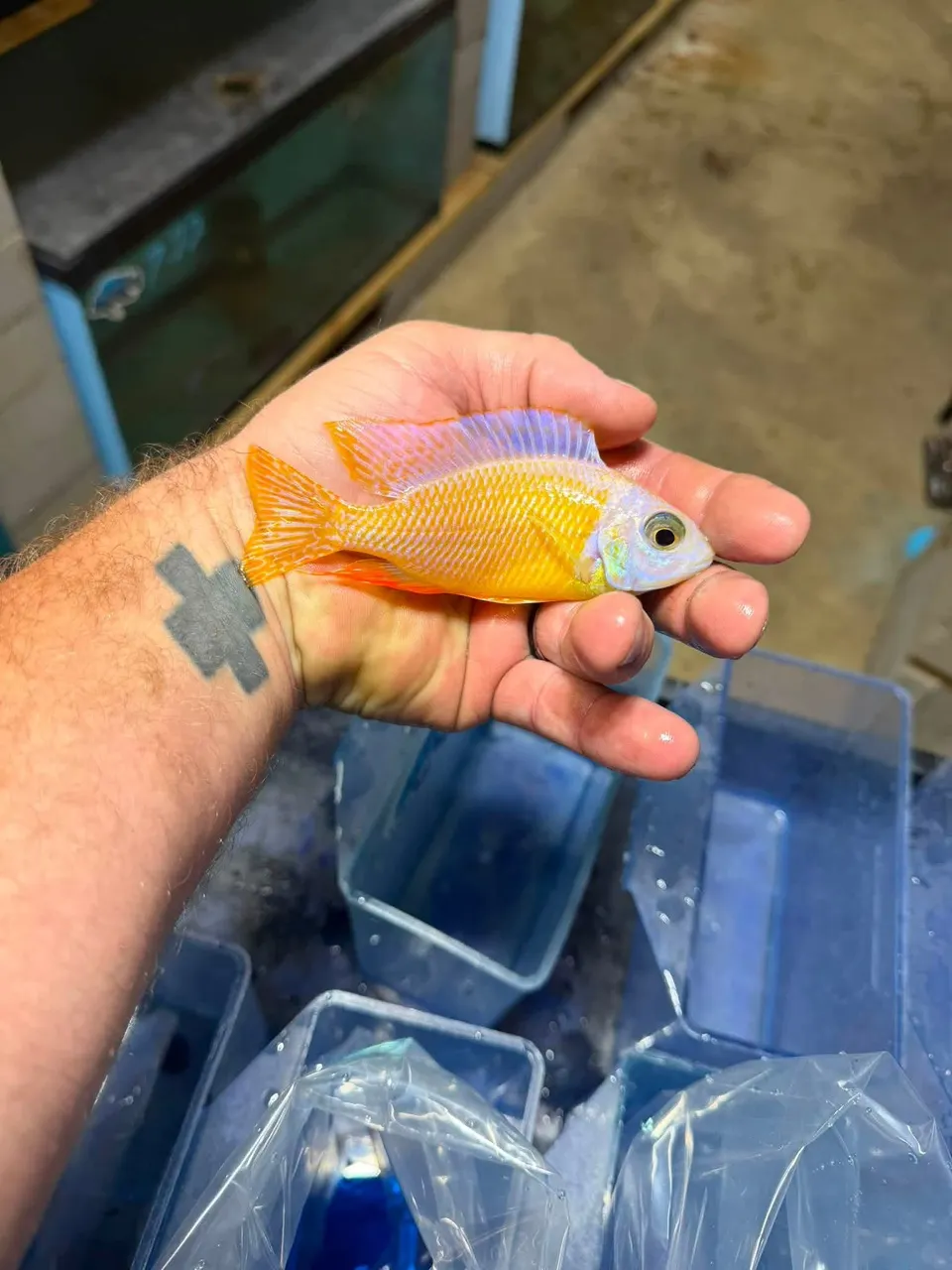
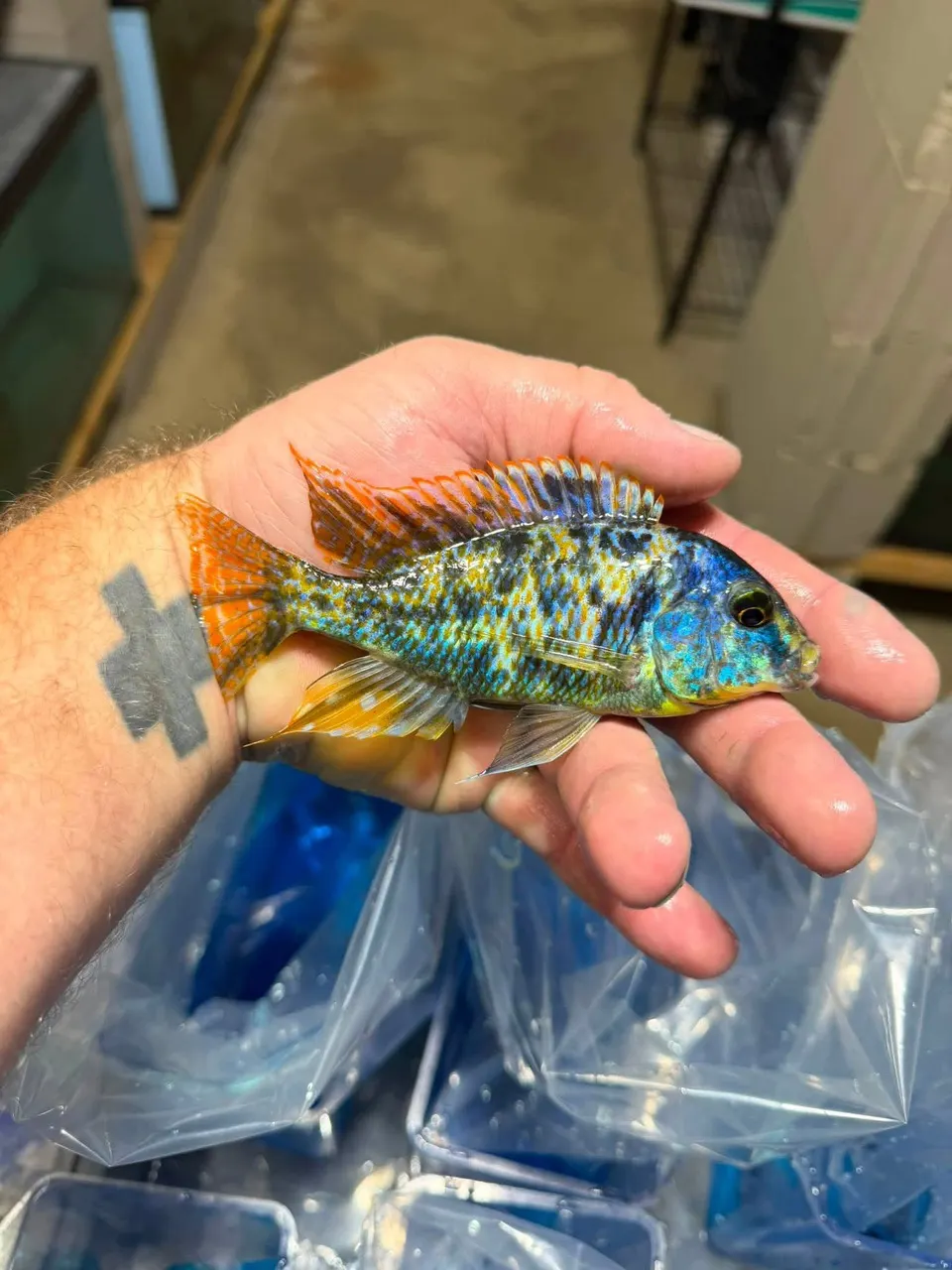
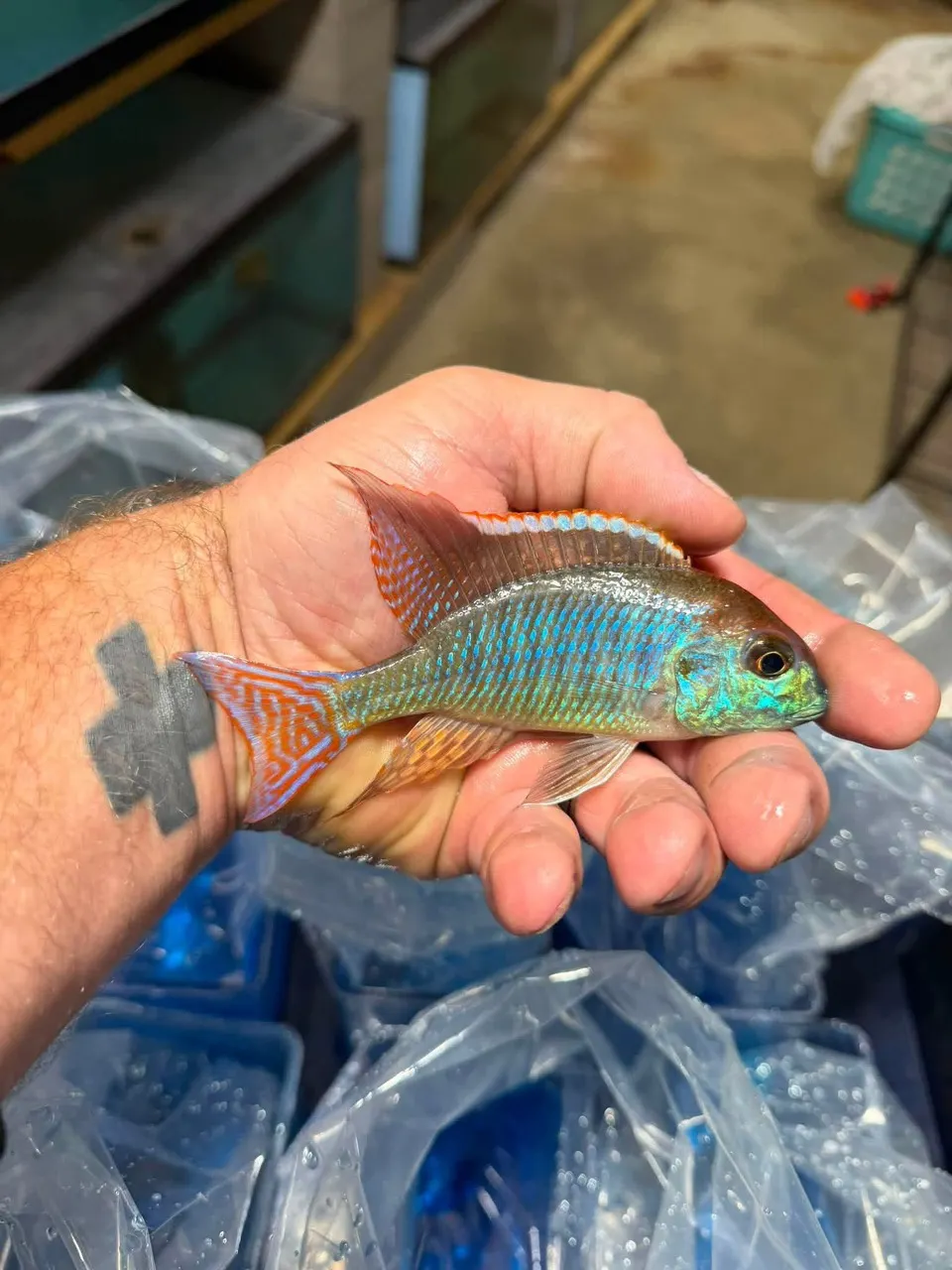
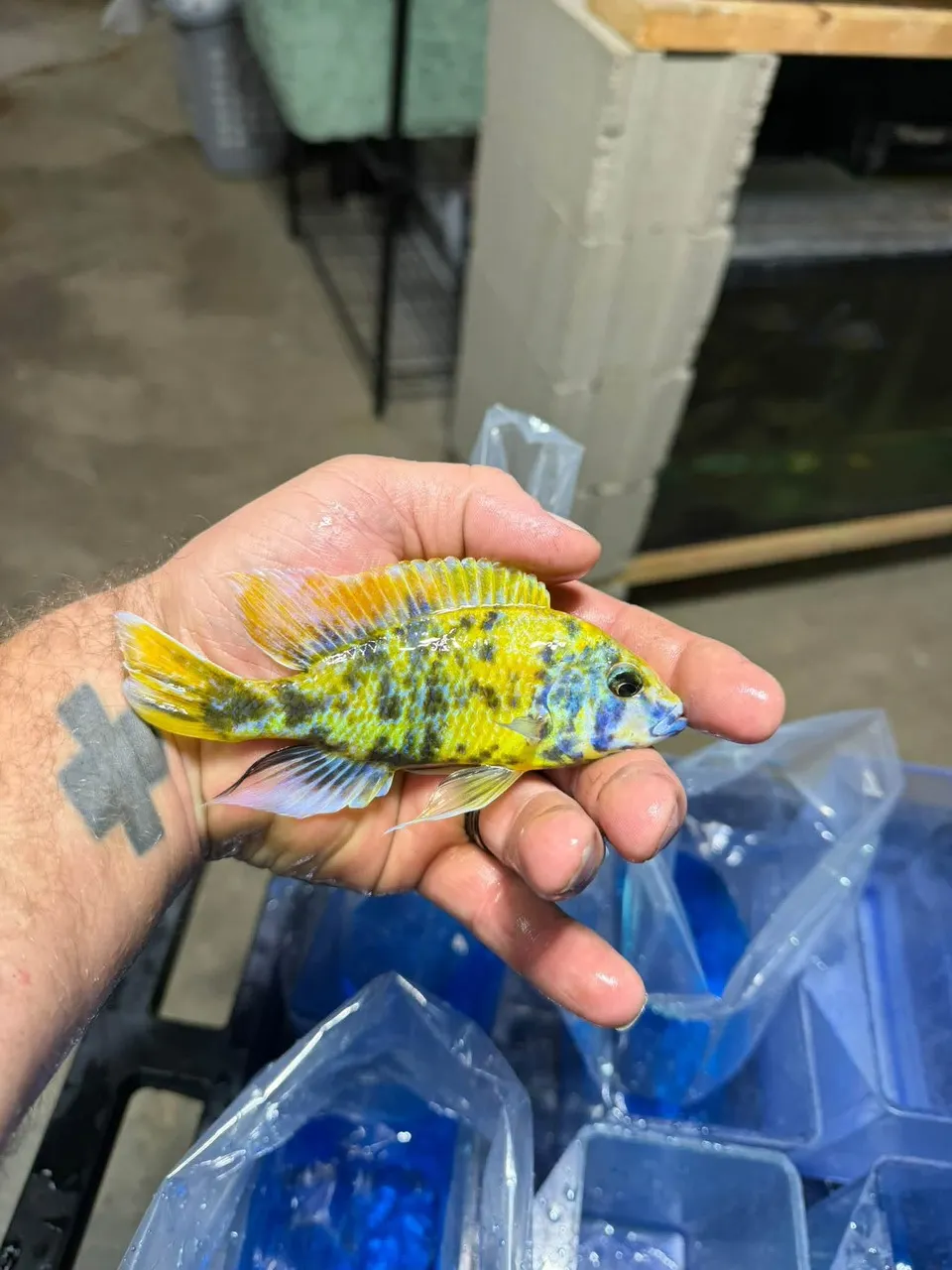
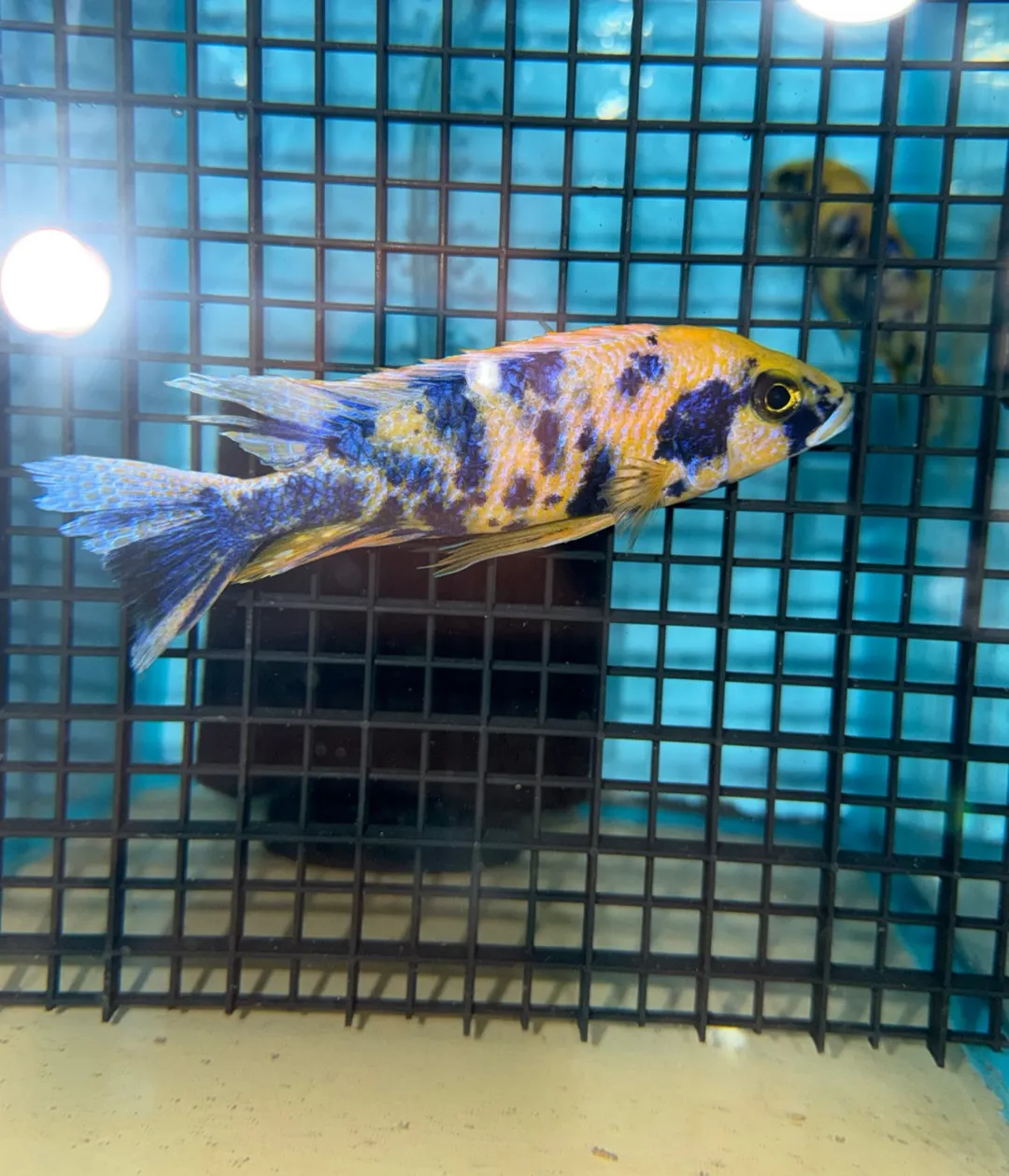
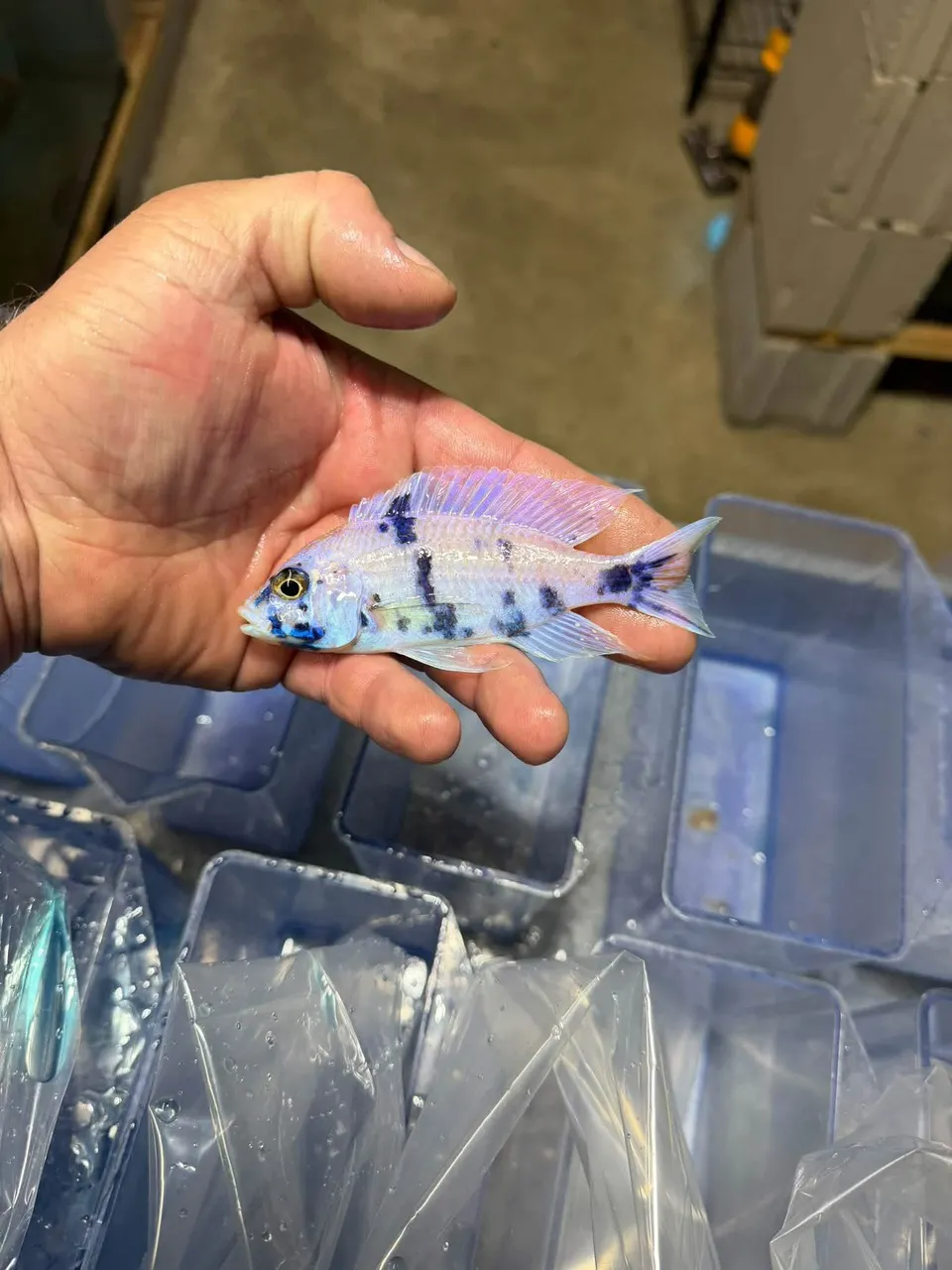
Product description
<h3>Doubletail Betta – <em>Betta splendens<em><h3>r
<strong>Introduction<strong>:r
The Doubletail Betta (<em>Betta splendens<em>) is a stunning and unique variety of betta fish, easily recognizable by its distinctive tail, which is split into two lobes, resembling two tails. This trait is not only a visual spectacle but also adds to the betta's already impressive beauty. Known for their wide variety of colors, from deep reds to vibrant blues, the Doubletail Betta typically grows to about 2.5 to 3 inches (6–7.5 cm) in length. With their striking appearance and flowing fins, they are a popular choice among betta enthusiasts and aquarium hobbyists alike. These bettas are generally peaceful but can be territorial, particularly males, which is important to consider when housing them with other species.r
r
<hr >r
r
<h3>1. Natural Habitat and Behavior<h3>r
Native to Southeast Asia, bettas like the Doubletail Betta are found in shallow, slow-moving waters such as rice paddies, ponds, and streams. Bettas are labyrinth fish, meaning they can breathe air at the water’s surface, but they still require well-oxygenated water. The Doubletail Betta shares typical betta behavior, including territoriality and aggressiveness toward other males. However, they are generally less aggressive than some other betta types and can live peacefully in the right environment. They are active swimmers, often exploring their tanks and displaying their wide tails when flaring.r
r
<hr >r
r
<h3>2. Aquarium Setup<h3>r
<ul>r
<li><strong>Tank Size<strong>: A minimum of 5 gallons (19 liters) is recommended for a single Doubletail Betta. Larger tanks provide more space and a healthier environment.<li>r
<li><strong>Substrate<strong>: Fine gravel or soft sand is ideal for preventing damage to the betta’s delicate fins.<li>r
<li><strong>Decor<strong>: Bettas appreciate plants, caves, and driftwood for hiding and resting. Be sure that all decorations have smooth edges to avoid fin tears. They also enjoy having open spaces for swimming.<li>r
<li><strong>Water Conditions<strong>:r
<ul>r
<li>Temperature: 76–82°F (24–28°C)<li>r
<li>pH: 6.5–7.5<li>r
<li>Hardness: 5–20 dGH<li>r
<li>Bettas prefer a gentle filter to maintain water quality but should not have strong currents.<li>r
<ul>r
<li>r
<li><strong>Lighting<strong>: Moderate lighting works well, with shaded areas where the betta can rest.<li>r
<ul>r
r
<hr >r
r
<h3>3. Diet and Feeding<h3>r
As carnivores, Doubletail Bettas require a protein-rich diet:r
<ul>r
<li><strong>Staple Diet<strong>: High-quality betta pellets or flakes designed for their nutritional needs.<li>r
<li><strong>Protein Sources<strong>: Live or frozen foods such as brine shrimp, bloodworms, and daphnia.<li>r
<li><strong>Vegetable Matter<strong>: Occasionally offer blanched peas or spinach for dietary variety.r
Feed them once or twice daily, providing only as much food as they can consume in a few minutes to prevent overfeeding and maintain good water quality.<li>r
<ul>r
r
<hr >r
r
<h3>4. Compatibility with Other Fish<h3>r
The Doubletail Betta, while generally peaceful, is territorial and needs careful selection of tankmates:r
<ul>r
<li><strong>Ideal Tank Mates<strong>: Peaceful species such as Corydoras catfish, small tetras, rasboras, and snails.<li>r
<li><strong>Caution<strong>: Male bettas should never be housed together as they are highly territorial and will fight. Additionally, avoid keeping them with fin-nipping species that may damage their delicate fins.<li>r
<li><strong>Social Behavior<strong>: These bettas should be kept alone or with a few females in a larger tank. When housed with females, ensure the tank is large enough with plenty of hiding spots to prevent stress and aggression.<li>r
<ul>r
r
<hr >r
r
<h3>5. Common Challenges and Tips<h3>r
<ul>r
<li><strong>Aggression<strong>: Male Doubletail Bettas can be very territorial, so they should only be kept alone or with compatible species.<li>r
<li><strong>Water Quality<strong>: Bettas are sensitive to poor water conditions, so regular water changes and good filtration are crucial for their health.<li>r
<li><strong>Fin Damage<strong>: With their large, flowing fins, Doubletail Bettas are prone to fin tears. Avoid sharp-edged decorations and monitor their fins for any signs of damage or rot.<li>r
<li><strong>Health Monitoring<strong>: Keep an eye out for signs of stress, such as faded colors, clamped fins, or reduced activity, which may indicate illness. Bettas are prone to diseases like fin rot, velvet, and ich, so prompt treatment is necessary if symptoms appear.<li>r
<ul>r
r
<hr >r
r
<h3>Conclusion<h3>r
The Doubletail Betta is a visually stunning and charismatic fish that makes a beautiful addition to any aquarium. Its striking double tail and wide range of colors make it an eye-catching centerpiece, while its peaceful nature (when housed alone or with compatible tankmates) makes it a great choice for hobbyists. With proper care, a well-maintained tank, and attention to their territorial tendencies, the Doubletail Betta will thrive and continue to showcase its beauty for years to come.
Accepted payment methods




Have questions?
Download the app to message sellers about price, availability, shipping, or anything else you need.

Rare finds, all in one place
Shop for rare plants, reptiles, collectibles, gems and handmade goods you won’t find anywhere else.

Secure checkout, always
Your payment is protected and only released to sellers once your order arrives.

Watch. Chat. Buy.
Tune into live shows, chat with sellers, join auctions, purges, giveaways and shop instantly.

Ship it your way
Ask the seller for bundled shipping, delivery upgrades, custom shipping, or local pickup.