Product description
<h3><strong>Congo Tetra – <em>Phenacogrammus interruptus<em><strong><h3>r
<strong>Introduction<strong>:r
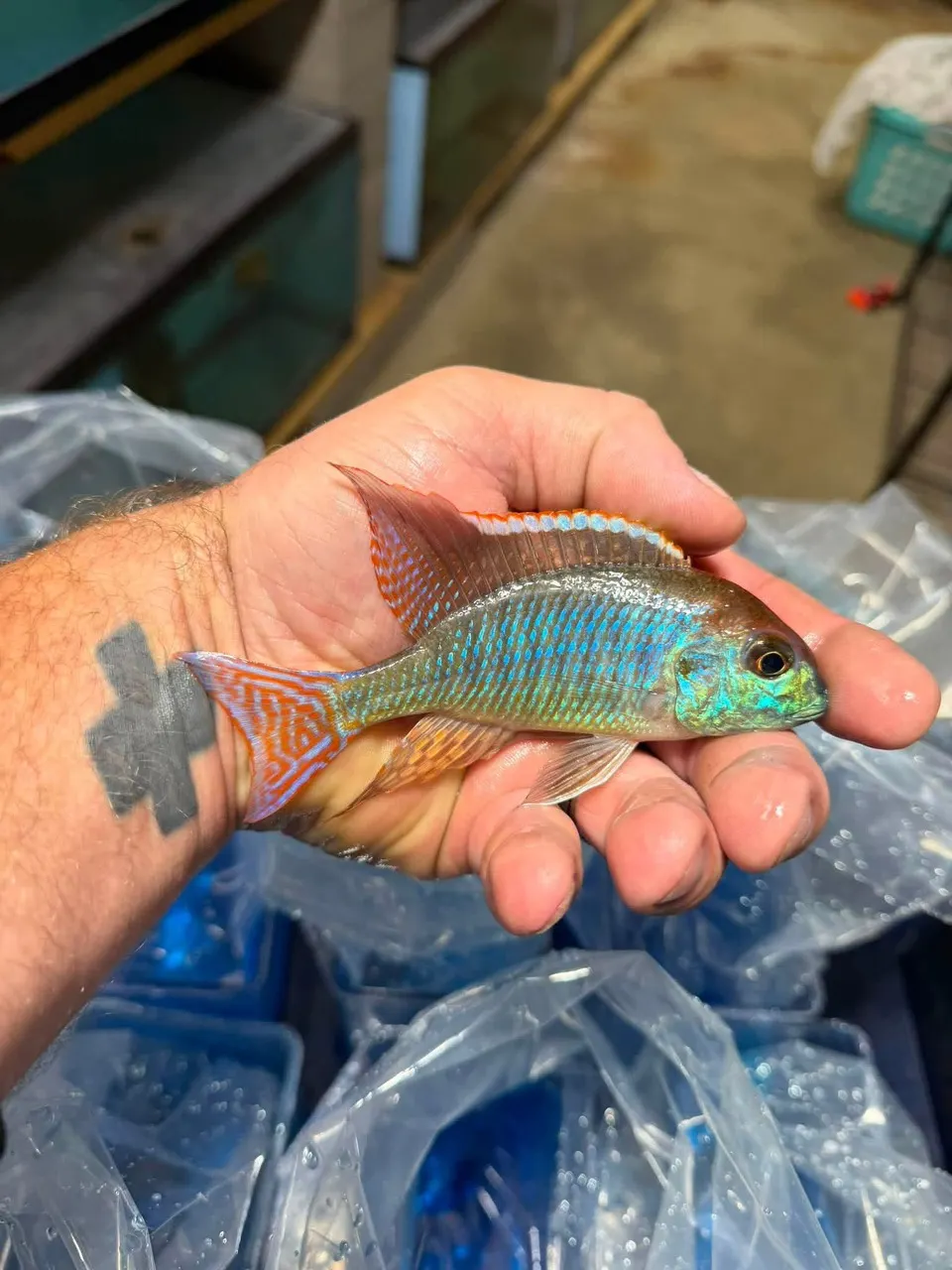
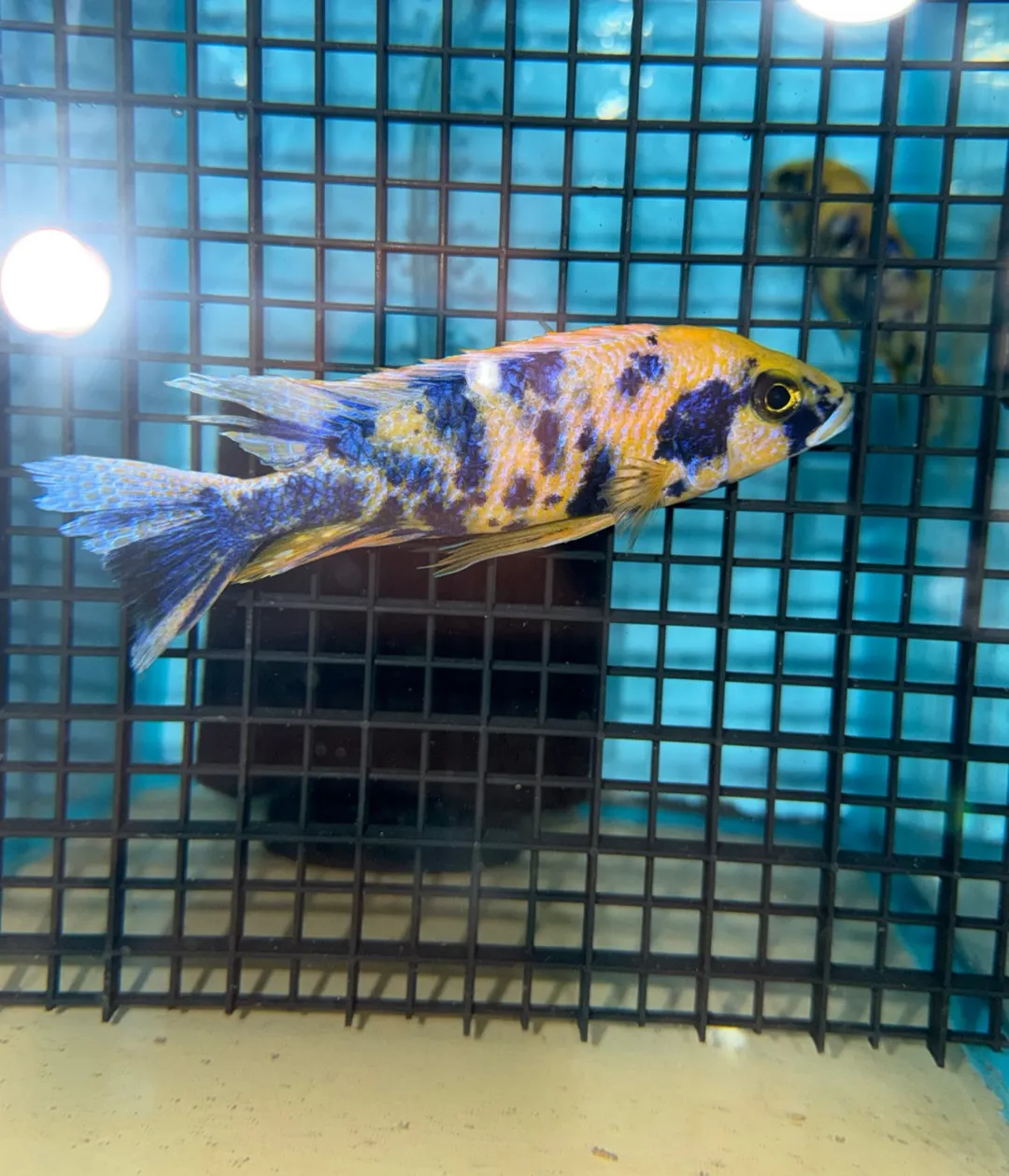
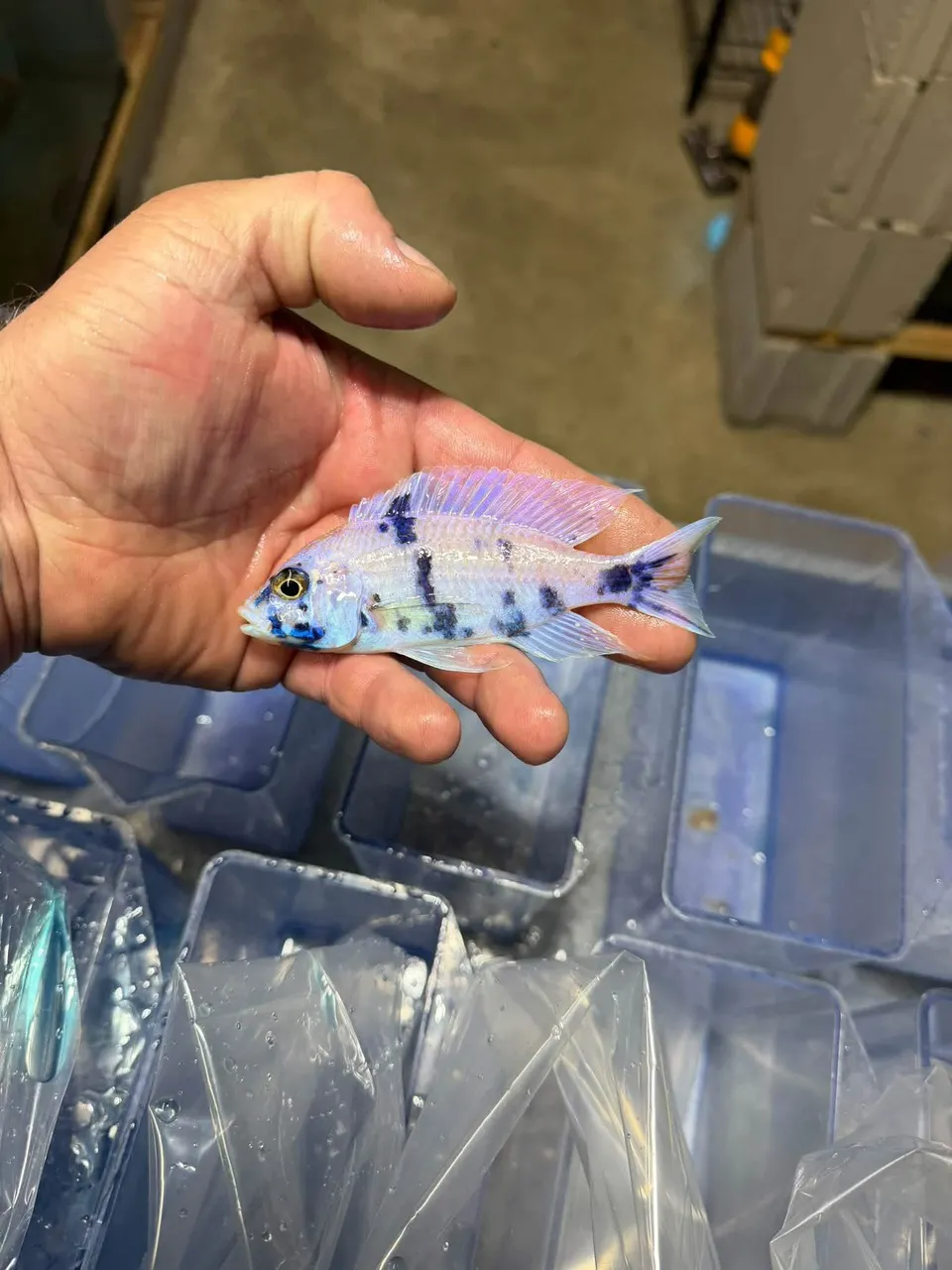
The <strong>Congo Tetra<strong> (<em>Phenacogrammus interruptus<em>) is a dazzling and peaceful freshwater species that adds brilliant color and dynamic movement to aquariums. Known for its shimmering, iridescent scales that reflect light in a rainbow of colors, this tetra species has become a popular choice for hobbyists. Reaching a size range of <strong>2.5 to 3 inches (6.3 to 7.6 cm)<strong>, Congo Tetras are ideal for community tanks where they can thrive and display their natural beauty in schools.r
r
<strong>1. Natural Habitat and Behavior<strong>r
<ul>r
<li><strong>Natural Habitat<strong>: Native to the Congo River Basin in Africa, the Congo Tetra inhabits slow-moving streams and rivers with dense plant life and soft, slightly acidic waters.<li>r
<li><strong>Behavior<strong>: Congo Tetras are peaceful, active swimmers that enjoy being part of a school. They are best kept in groups of <strong>6 or more<strong> individuals to allow for their natural schooling behavior. While peaceful, they can be shy and may hide in plants or behind decorations if not kept in a suitable environment.<li>r
<ul>r
<strong>2. Aquarium Setup<strong>r
<ul>r
<li><strong>Tank Size<strong>: A <strong>minimum of 20 gallons<strong> (75 liters) is recommended for a small group of Congo Tetras. A larger tank will allow for more fish and space for other peaceful species.<li>r
<li><strong>Substrate<strong>: Congo Tetras are not picky about substrate but prefer fine gravel, sand, or smooth pebbles. The substrate should be gentle on their delicate fins.<li>r
<li><strong>Decor<strong>: These fish prefer a well-planted tank with plenty of hiding spots. Use plants like java fern, anubias, or amazon sword to create a lush environment, and include driftwood and rocks to simulate their natural habitat.<li>r
<li><strong>Water Conditions<strong>: Congo Tetras require slightly acidic to neutral water with a pH range of <strong>6.0 to 7.5<strong>, and the water temperature should be between <strong>72°F to 82°F (22°C to 28°C)<strong>. They prefer soft water but can tolerate slightly harder water if it is within the acceptable pH range.<li>r
<li><strong>Lighting<strong>: Moderate lighting is best. A slightly dimmer tank with soft lighting enhances the Congo Tetra’s natural coloration and allows them to feel secure.<li>r
<ul>r
<strong>3. Diet and Feeding<strong>r
<ul>r
<li><strong>Diet<strong>: Congo Tetras are omnivorous and will accept a variety of foods. Offer high-quality flake or pellet foods as a staple, supplemented with live or frozen foods such as daphnia, brine shrimp, and bloodworms. They also enjoy plant-based foods like spirulina or blanched vegetables.<li>r
<li><strong>Feeding Schedule<strong>: Feed <strong>1-2 times a day<strong>, offering only as much food as the fish can consume in a few minutes to avoid overfeeding and water quality issues.<li>r
<ul>r
<strong>4. Compatibility with Other Fish<strong>r
<ul>r
<li><strong>Compatible Species<strong>: Congo Tetras are peaceful and can be kept with other non-aggressive, similarly sized fish. Ideal tank mates include other tetras, rasboras, peaceful cichlids, and small catfish.<li>r
<li><strong>Incompatible Species<strong>: Avoid aggressive or large predatory fish, as they may stress or eat the Congo Tetras. Additionally, fin-nipping species should be avoided as they can cause stress to the delicate tetras.<li>r
<ul>r
<strong>5. Common Challenges and Tips<strong>r
<ul>r
<li><strong>Shyness<strong>: Congo Tetras can be shy and may hide if kept in a tank with too few companions or too much activity. Keeping them in schools of at least <strong>6 fish<strong> helps reduce stress and encourages their natural behavior.<li>r
<li><strong>Water Quality<strong>: Congo Tetras are sensitive to poor water quality. Regular water changes (around <strong>25% weekly<strong>) and a good filtration system are essential for keeping them healthy.<li>r
<li><strong>Fin Nipping<strong>: While they are not prone to fin-nipping themselves, they can be stressed by overly aggressive fish. Ensure your tank mates are calm and not overly territorial.<li>r
<ul>r
<strong>Conclusion<strong>:r
The <strong>Congo Tetra<strong> (<em>Phenacogrammus interruptus<em>) is a beautiful and active fish that thrives in well-maintained, peaceful community tanks. With their iridescent coloration and schooling behavior, they can be a captivating addition to any freshwater aquarium. By providing a suitable environment with clean, slightly acidic water and a well-balanced diet, Congo Tetras will flourish, offering their bright, shimmering colors for years to come.
Accepted payment methods




Have questions?
Download the app to message sellers about price, availability, shipping, or anything else you need.

Rare finds, all in one place
Shop for rare plants, reptiles, collectibles, gems and handmade goods you won’t find anywhere else.

Secure checkout, always
Your payment is protected and only released to sellers once your order arrives.

Watch. Chat. Buy.
Tune into live shows, chat with sellers, join auctions, purges, giveaways and shop instantly.

Ship it your way
Ask the seller for bundled shipping, delivery upgrades, custom shipping, or local pickup.